Problem
We had built Ally, and Ally was good. What our users wanted next was not more from it. It was to stop holding it. Most of them already have a cane or a guide dog’s harness in one hand, and a phone takes the other. An assistant you have to hold is an assistant you cannot use while doing anything else.
So the question stopped being what to build next, and became where Ally should live. This project is the answer to that question, and most of it was spent finding out.
Process
The first answer was hardware we already owned. We put Ally on the Envision Glasses, and for the people who had a pair it worked: the whole assistant, hands-free, heads-up. But those glasses were built in 2020 on Google’s hardware, priced for a different era. They proved the form factor without being the answer to it.
So we went looking properly, and we did not assume the answer was glasses. The most interesting hardware of 2024 was not glasses at all: a pin you clip to your shirt, a pendant on a chain, a small screen you hold in your palm. We bought the Humane AI Pin, the Limitless Pendant and the Rabbit R1, and hacked each one into running a version of Ally, because a form factor is not something you can settle by arguing about it. You have to wear the thing around and see how it feels.
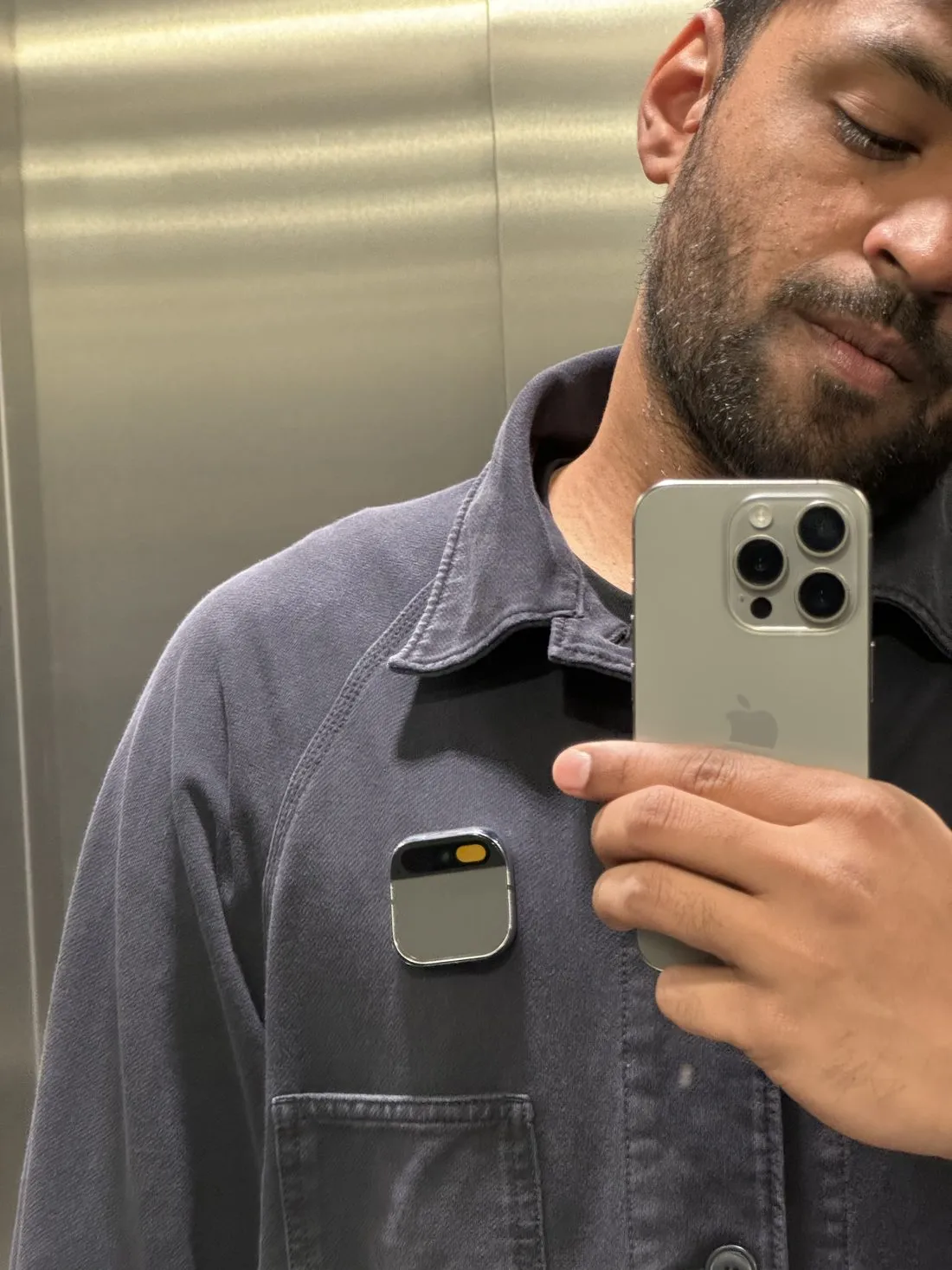
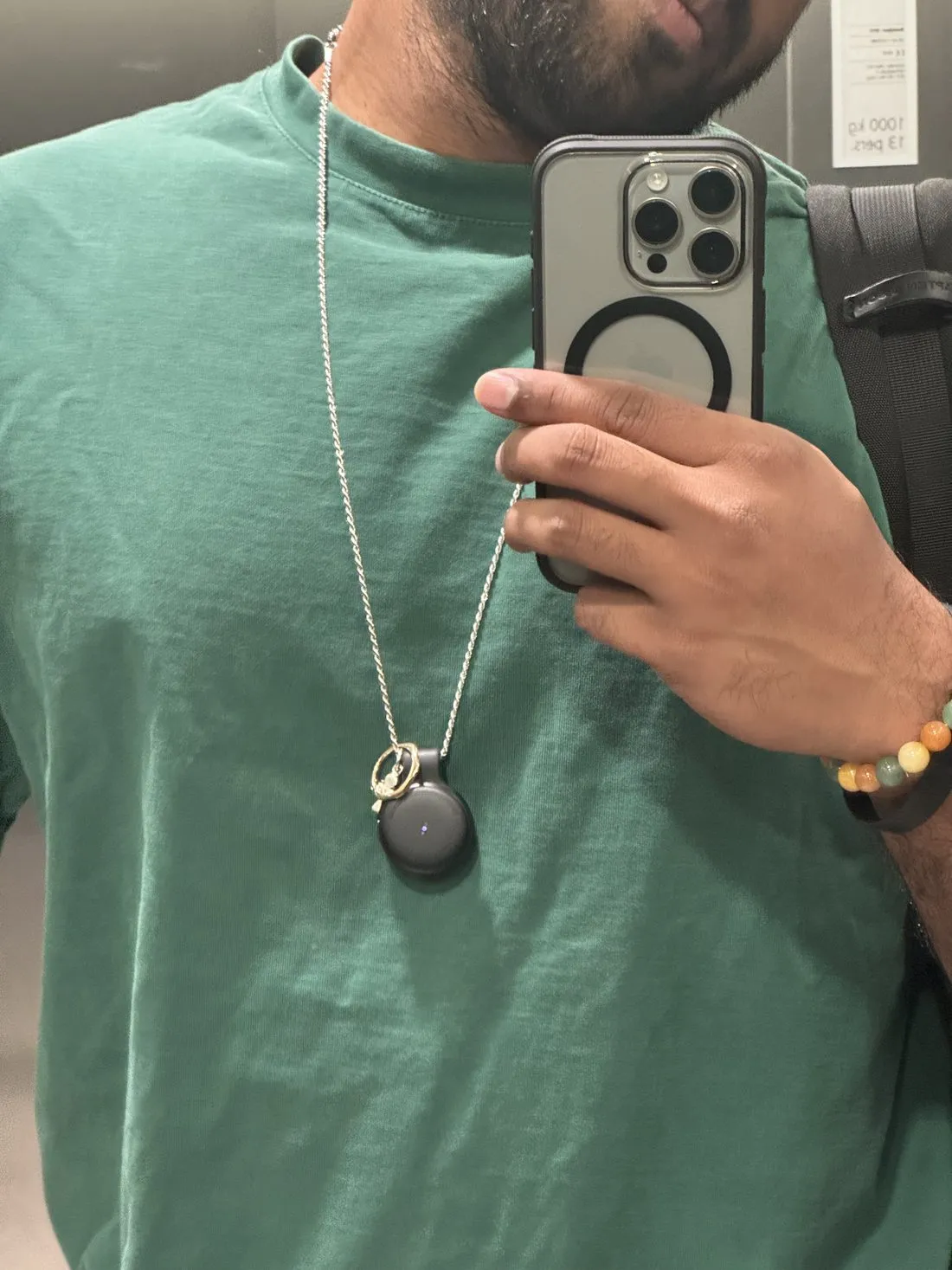
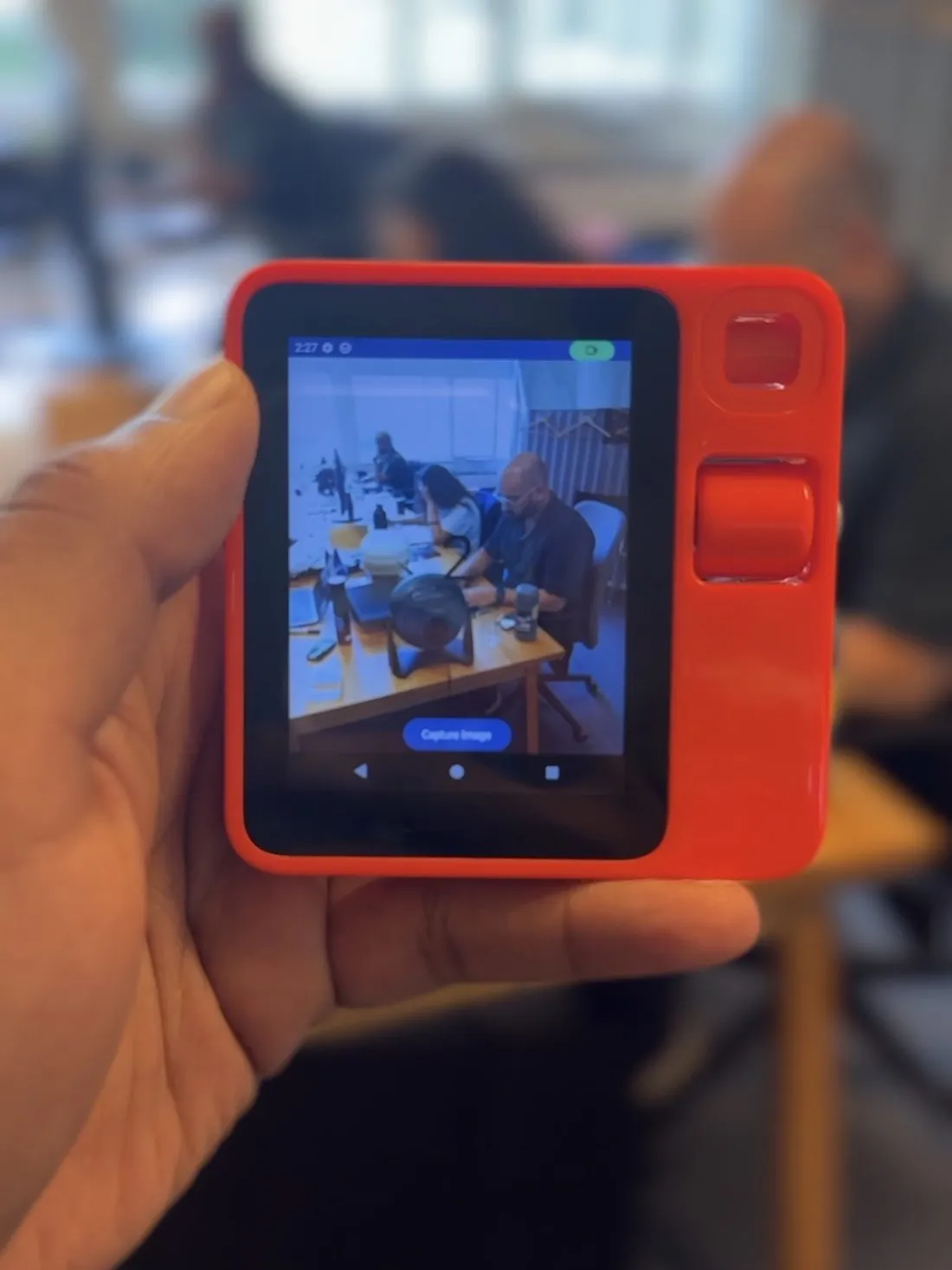
Every one of them could run Ally. None of them beat glasses. A camera on your face is already pointed at whatever you turned to look at, so there is nothing to aim; the speaker sits by your ear; and nobody has to be told what glasses are or why you are wearing them. Glasses were also the only category heading towards a price our users could pay out of pocket.
The breakthrough that made that price possible was display-less glasses. Meta and Ray-Ban proved that once you drop the display, years of shrinking cameras, speakers and processors finally fit into a normal-looking frame at a normal-feeling price. And a display is the one component our users never needed anyway. A wave followed: Google with Samsung, Xiaomi, Snap, and startups like Mentra and Even Realities. The moment we had been waiting for since 2018 had arrived.
Being early meant most of these glasses had no developer platform yet, so we went to the people making them. We sat down with the teams, took their hardware into shops and streets, and worked out what Ally would actually need from a frame.
The partnership came from Solos, a Hong Kong company that has been building smart glasses for years. Their camera glasses had exactly what we needed, camera, speakers, processing, no display, and together we co-developed the sync between the Ally app and the glasses.
The engineering underneath is harder than it looks. Glasses at this price cannot run AI themselves; they stream images to your phone over Bluetooth and Wi-Fi, and the phone and cloud do the thinking. Keeping that loop fast and reliable, with all its failure points between glasses, phone and network, is where most of our effort went.
Solution
Ally Solos Glasses deliver the full Ally assistant heads-up and hands-free: reading books, signs, menus and mail, describing surroundings, answering questions, natural conversation with memory. Sync once and every bit of a user’s Ally personalization, voice, verbosity, personality, comes along.
At under $500, they cost a quarter of what the previous generation of assistive glasses did. Affordable enough to buy out of pocket, no reimbursement bureaucracy required, with payment plans for those who need them.
Unveiled 14 August 2025; shipping from October 2025.
Impact
The pre-order campaign passed a thousand pairs within the first weeks, and over 1,500 pairs have sold in total. Sales are currently paused by choice: Solos is readying the second generation of their hardware, and the next Ally Glasses will launch on it.
The bigger outcome is invisible: the engineering that made Ally device-agnostic. The work we did for Solos is the foundation for running on any wearable with a developer platform, whichever glasses our users end up choosing. Any smart glass can become an Ally glass.