Problem
Peanut butter, jam, pickles, honey, olives, instant coffee. Half the kitchen arrives in glass, and the glass is the best part: thick, clear, a screw lid that actually seals. Then the jam runs out and the jar goes in the bin.
Some of them get a second life holding spices or buttons. Most don’t. It always bothered me, because a jam jar is almost exactly the size and shape of a coffee mug. The only thing missing is a handle.
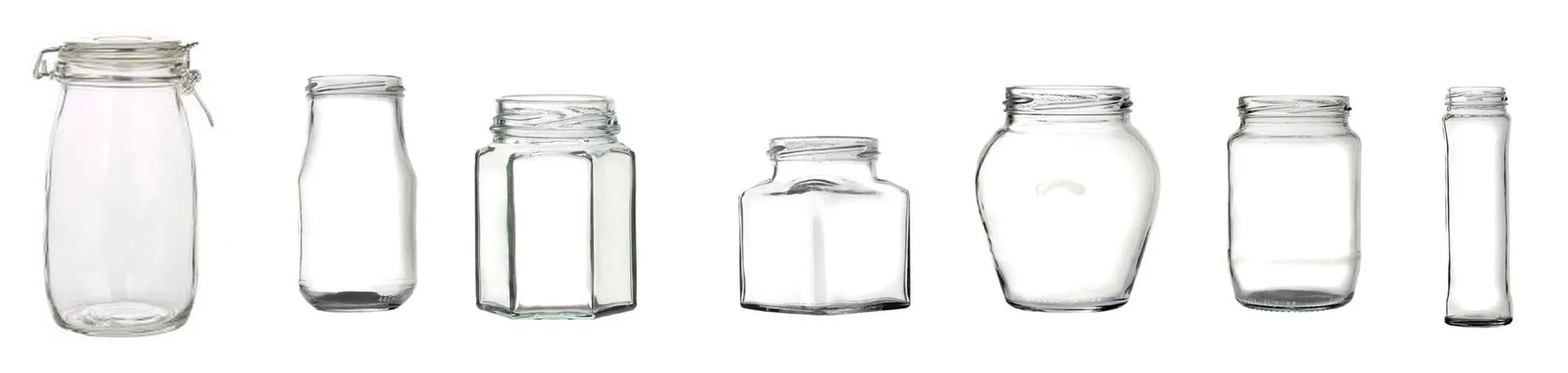
So the brief I gave myself at Gemklip, the consumer brand of Teqzo Consulting in Bangalore where I was working, was simple: put a handle on a jar you already own. The catch was in “a jar you already own”. No two are the same shape, and whatever held the handle on had to work on all of them.
Process
We went through the obvious ways to stick a handle to glass and threw each one out. Glass fusing needs a kiln and ends with one handle on one jar forever. Super glue fails the first time someone runs it under a hot tap. A plastic clamp only fits the jar it was designed for. What did fit every jar was something stretchy: a band that grips whatever it is pulled over, with a handle held under it.
The first prototype took an afternoon and cost nothing. I sawed the handle off a cheap plastic cup and borrowed a couple of silicone sleeves that came as add-ons for a Bluetooth speaker. The studio pantry had no shortage of empty jars.
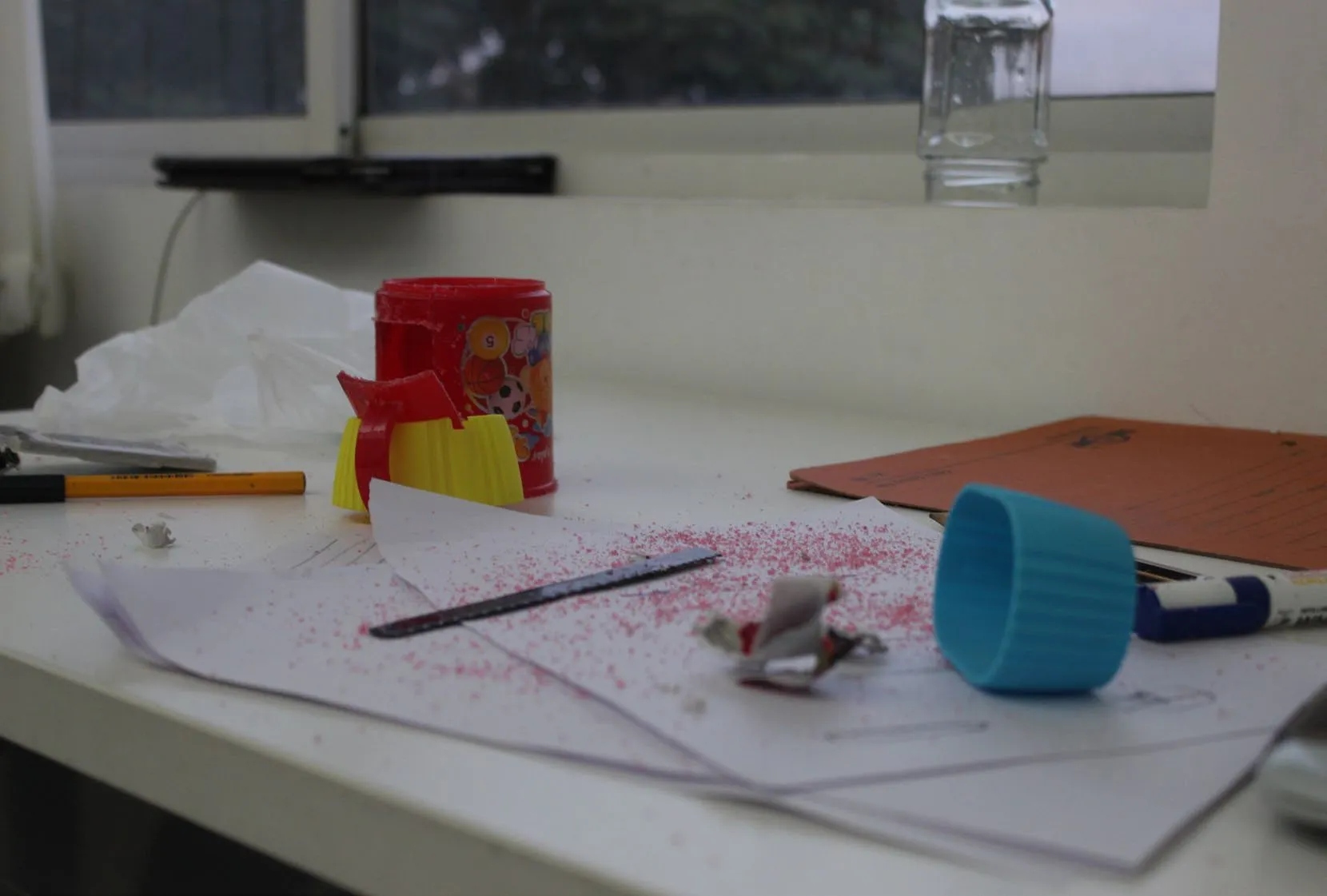
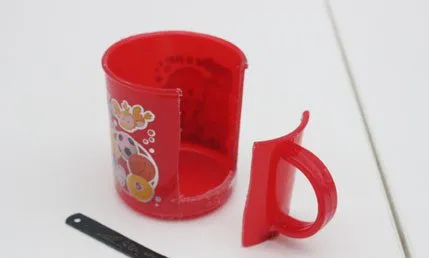
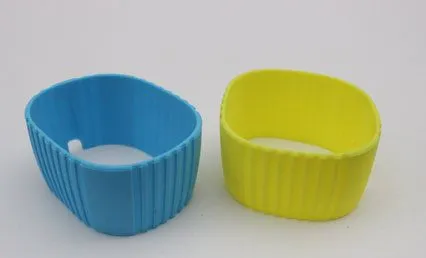
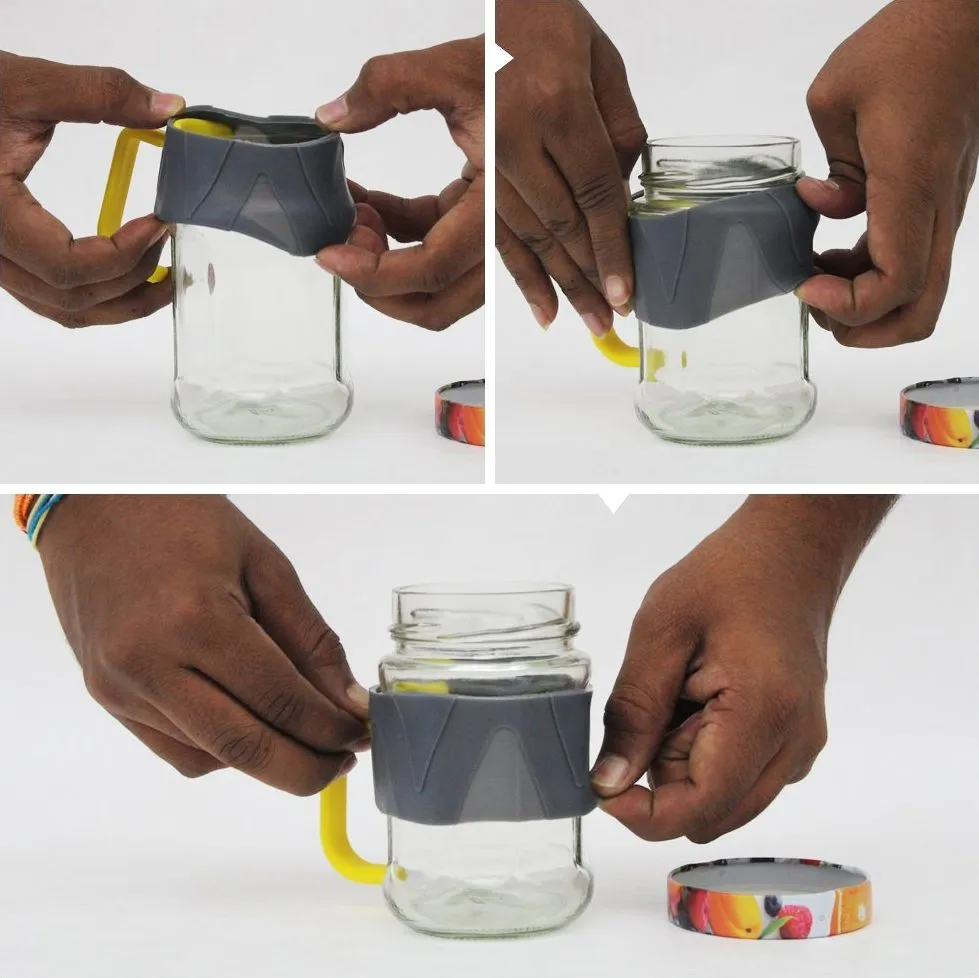
Slide the flat root of the handle under the band, stretch the band over a jar, done. It held a full jar of tea better than it had any right to.
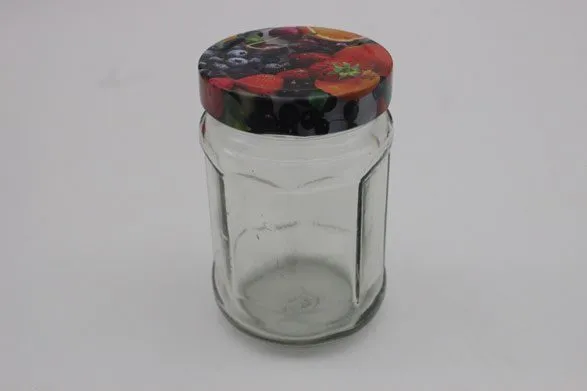
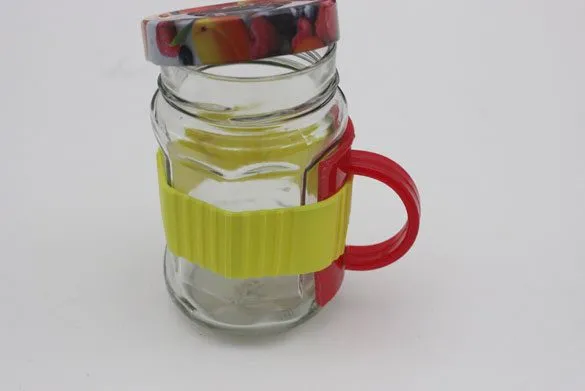
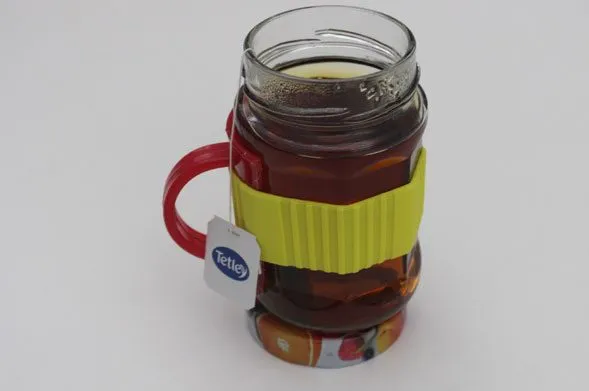
Then it quietly became the studio’s favourite mug. People used it for their morning tea without being asked to test anything, and it started conversations every time someone new walked in. That was the real proof of concept, more than any load test.
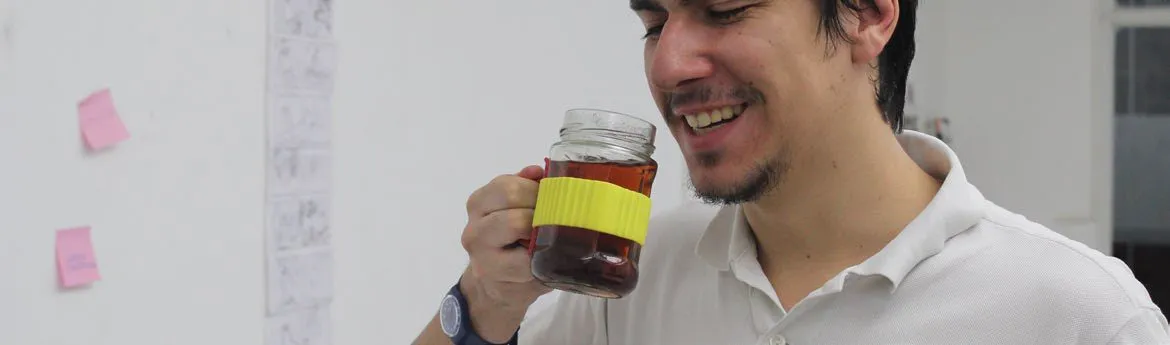
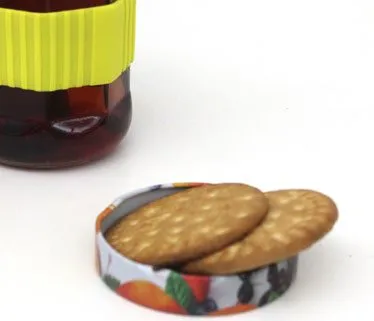
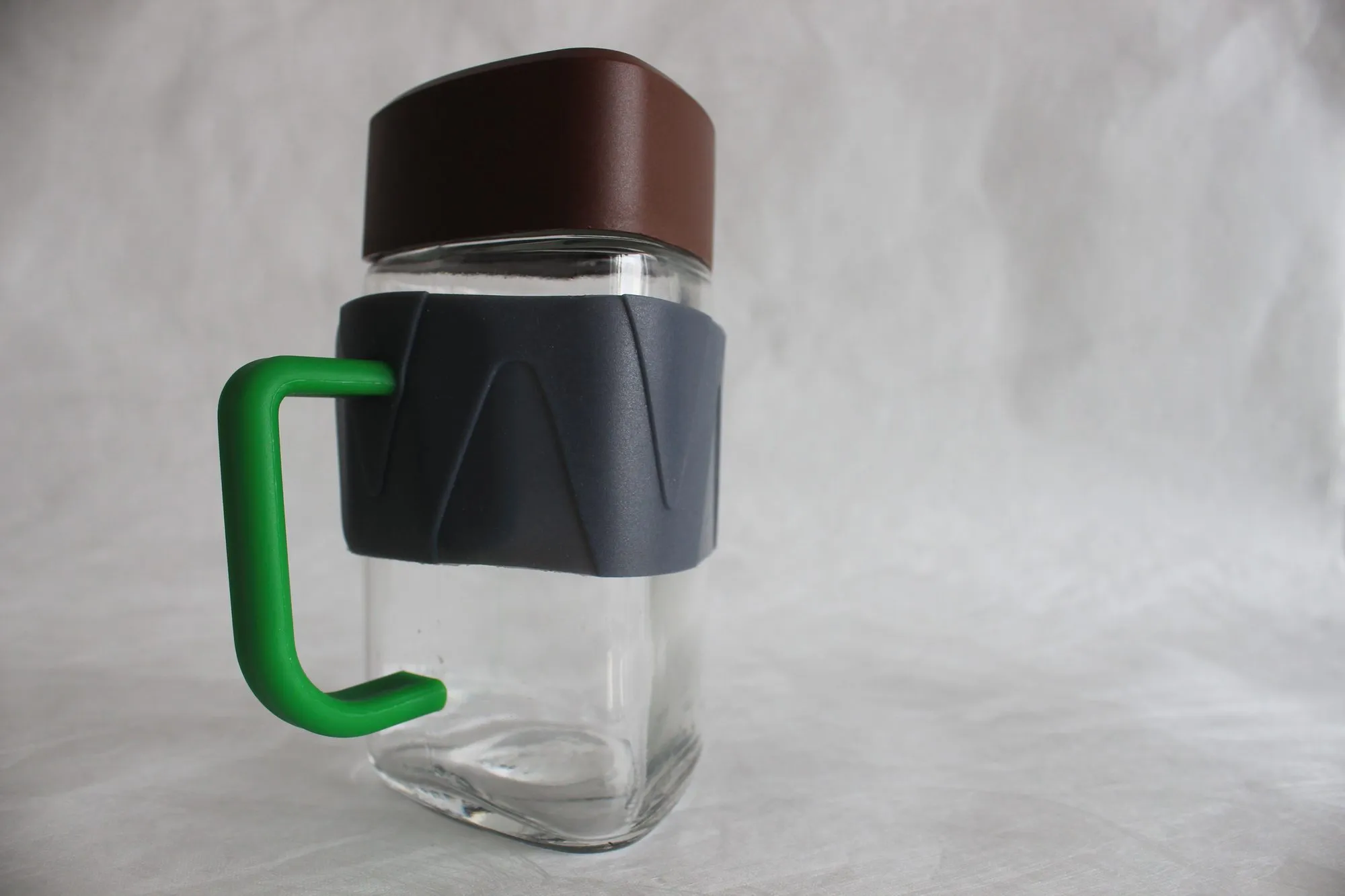
Living with it taught us things we had not designed. The lid was still there, and it turned out to be useful. Flip it over and it is a coaster, or a saucer for two biscuits. Screw it back on and the mug becomes a sealed take-away cup you can drop into a bag.
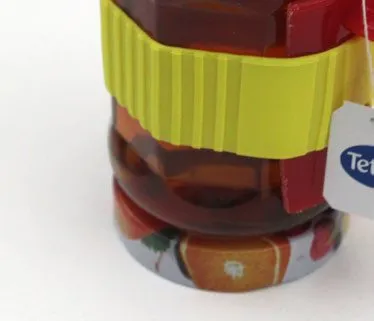
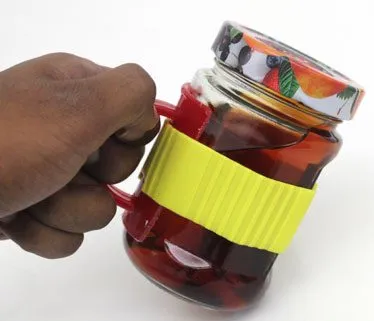
Turning a hack into a product meant pinning down four things: the path the handle takes out from the glass, its profile in the hand, how it bears against the jar, and the band. I sized the band from a 70mm jar, a common size in the pantry: a 220mm loop that stretches onto anything close to it. The handle got a flat back plate that sits flush against the glass under the band, so the load spreads across the silicone instead of pulling on one point.
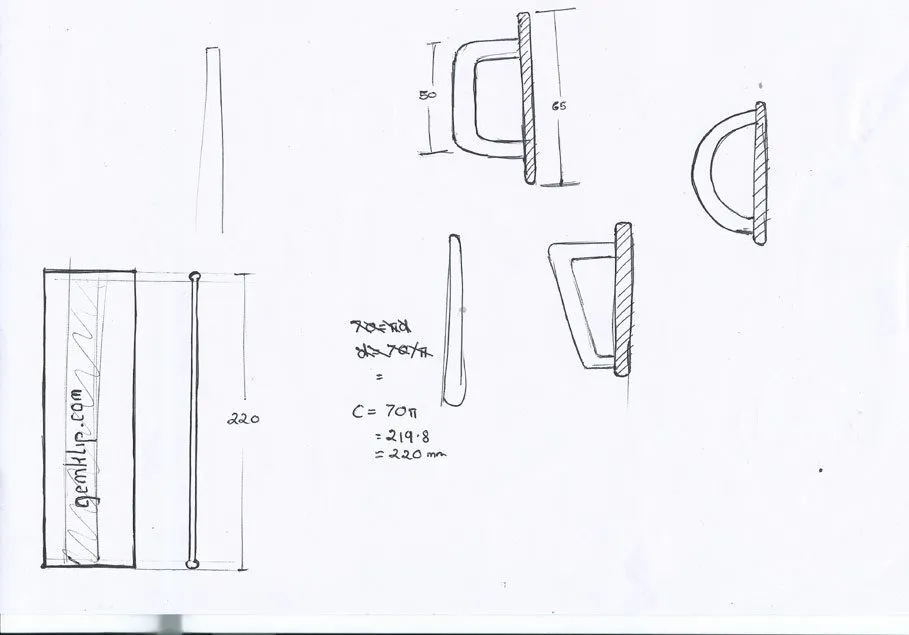
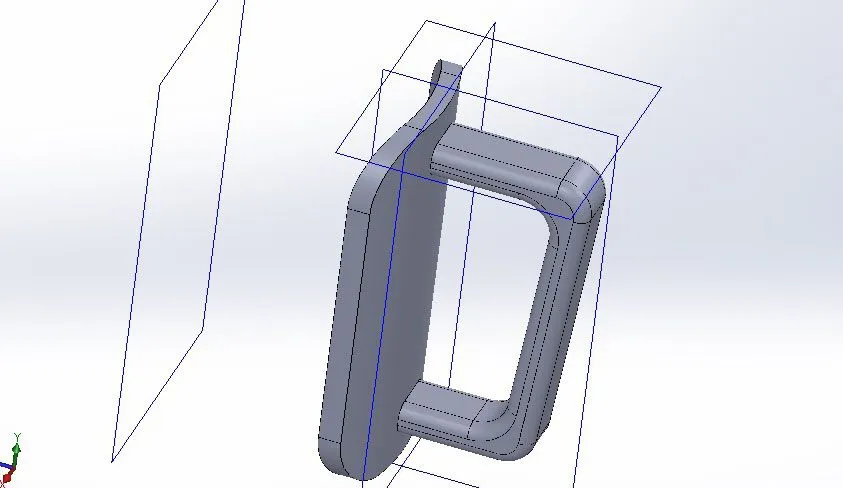
We printed it, wore it on more jars, and adjusted.
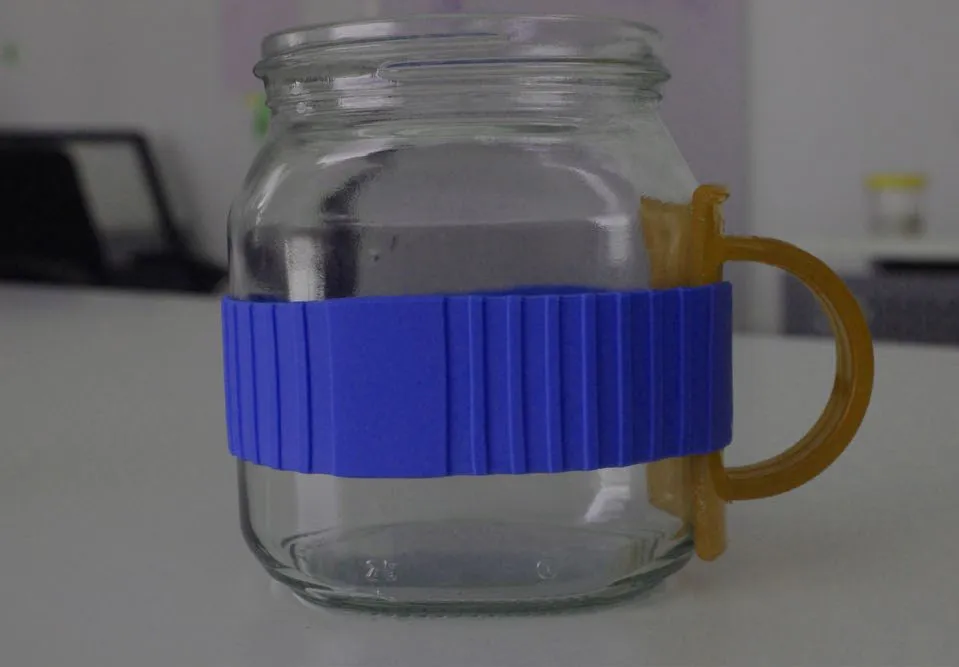
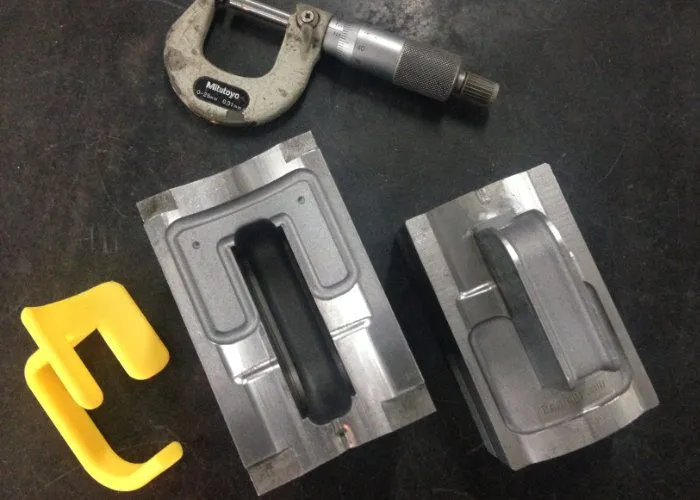
Once the shape stopped changing, it went to a mould. The handle is injection moulded in food-grade ABS. A mould is expensive before it has made a single part, which is why the pre-order came first (more on that below).
Solution
Jarry is two parts: a grey silicone band and a coloured ABS handle. Stretch the band around almost any jar and the handle is locked against the glass. Pull it off and it goes onto the next jar. It packs flat, so it ships cheaply, and the jar is the part you already have.
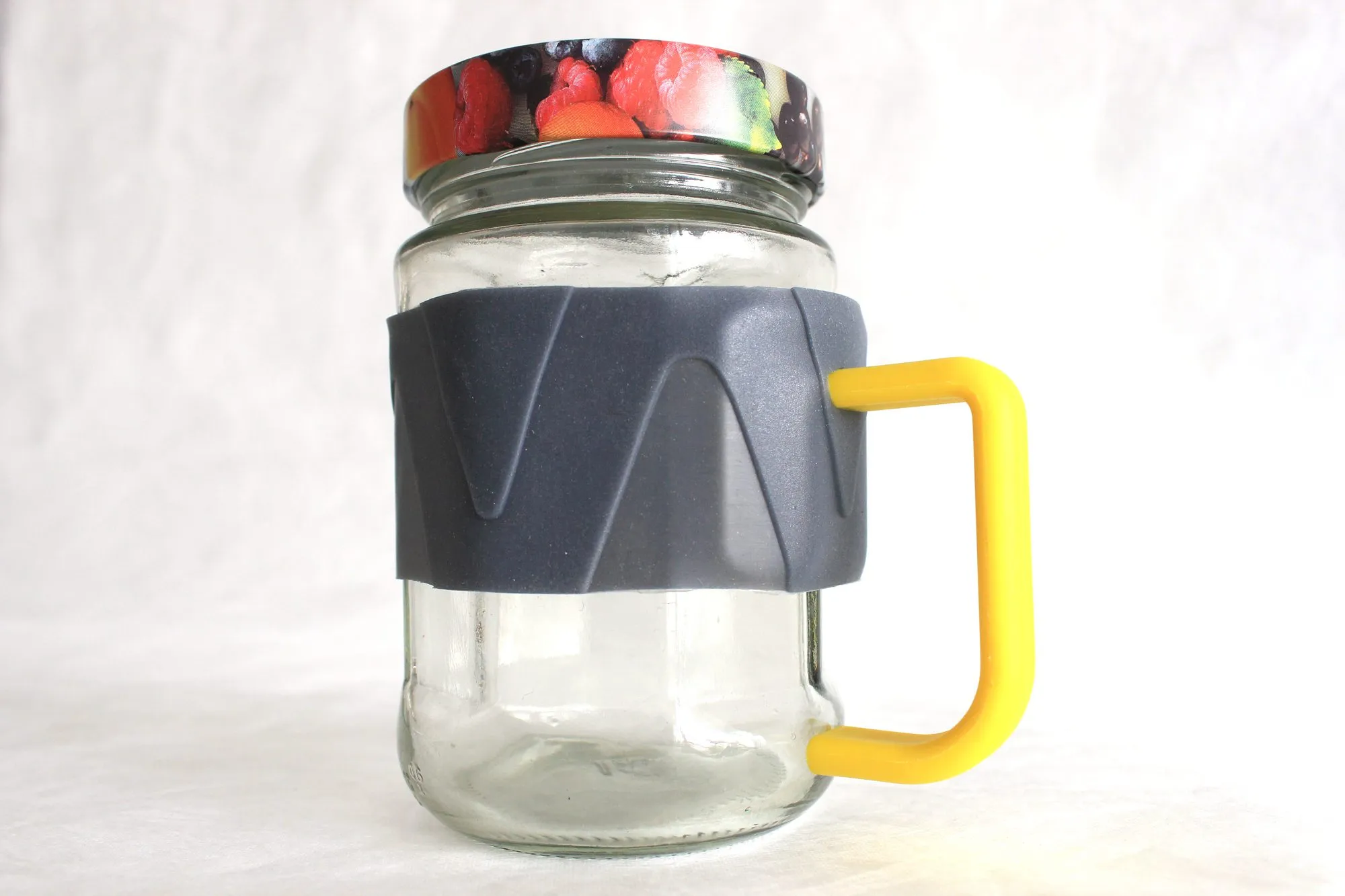
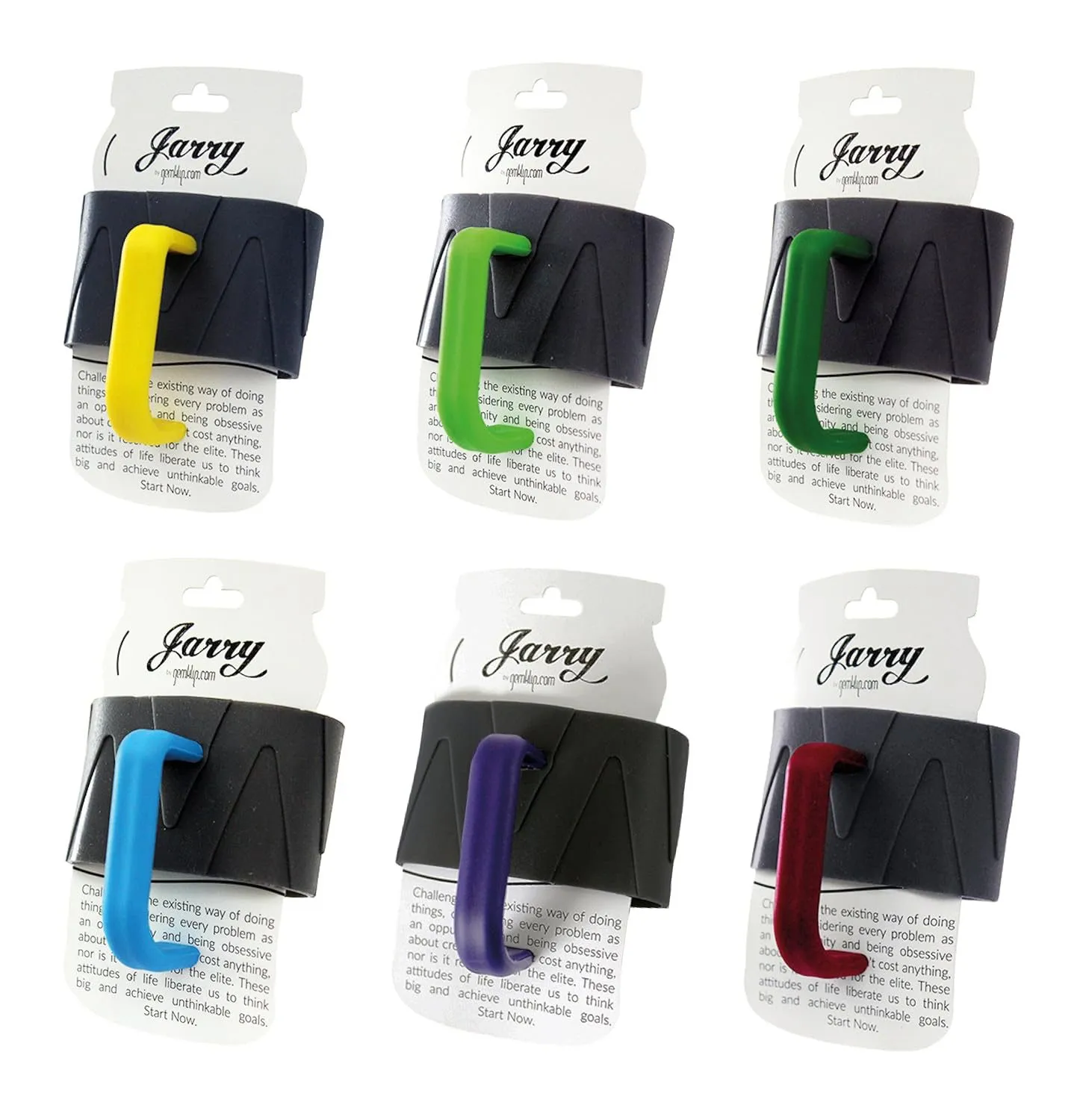
It came in six handle colours: yellow, lime, green, blue, purple and red. Each one ships on a card cut in the silhouette of a jar, so the packaging explains the product before anyone reads a word.
Impact
We launched it through a pre-order campaign on Gemklip in early 2016, so that buyers paid for the mould rather than us. The campaign funded the tool and the first production run, and Jarry has sold in the thousands since. Ten years later it is still on sale on gemklip.com, at ₹149.
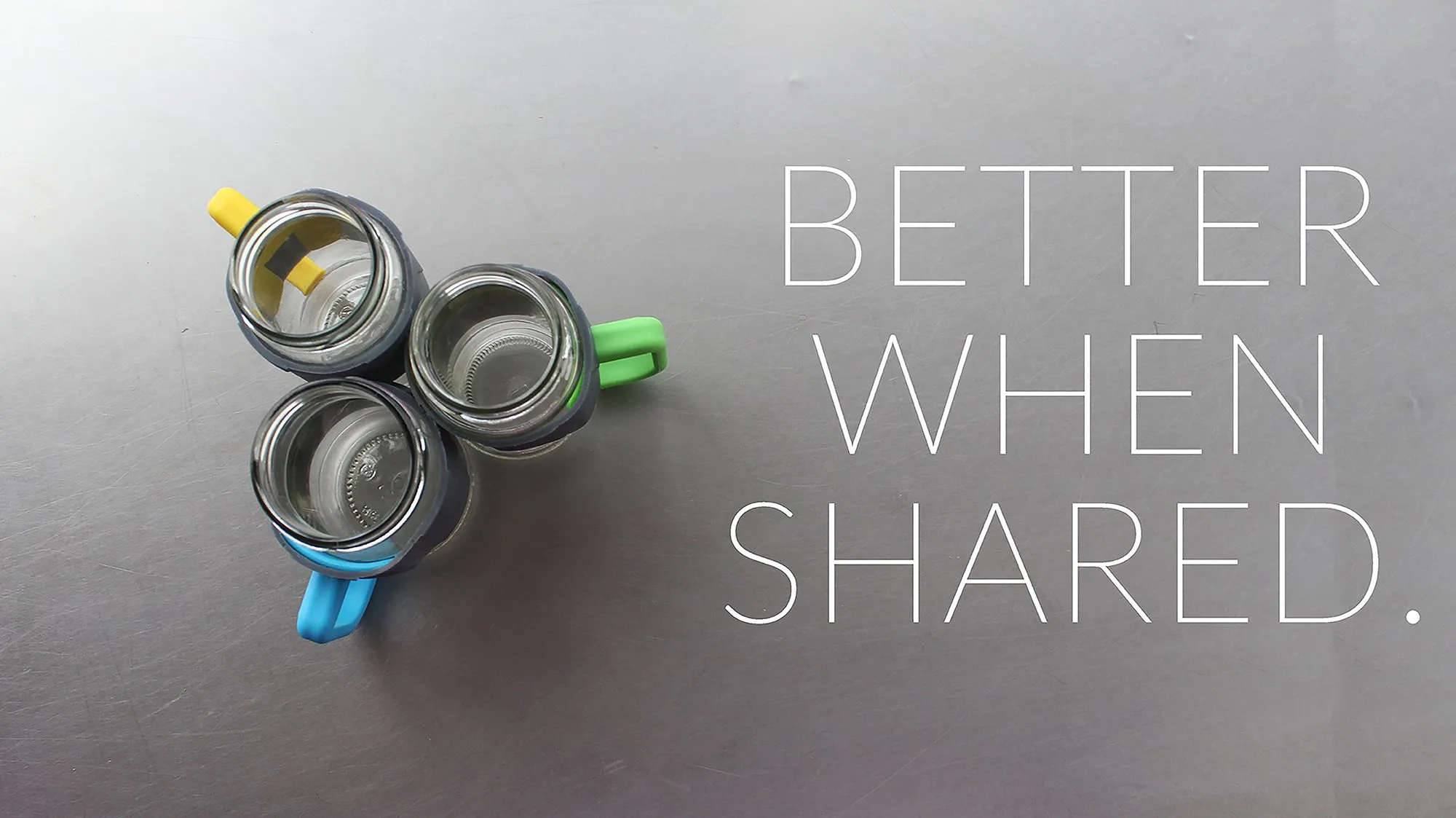
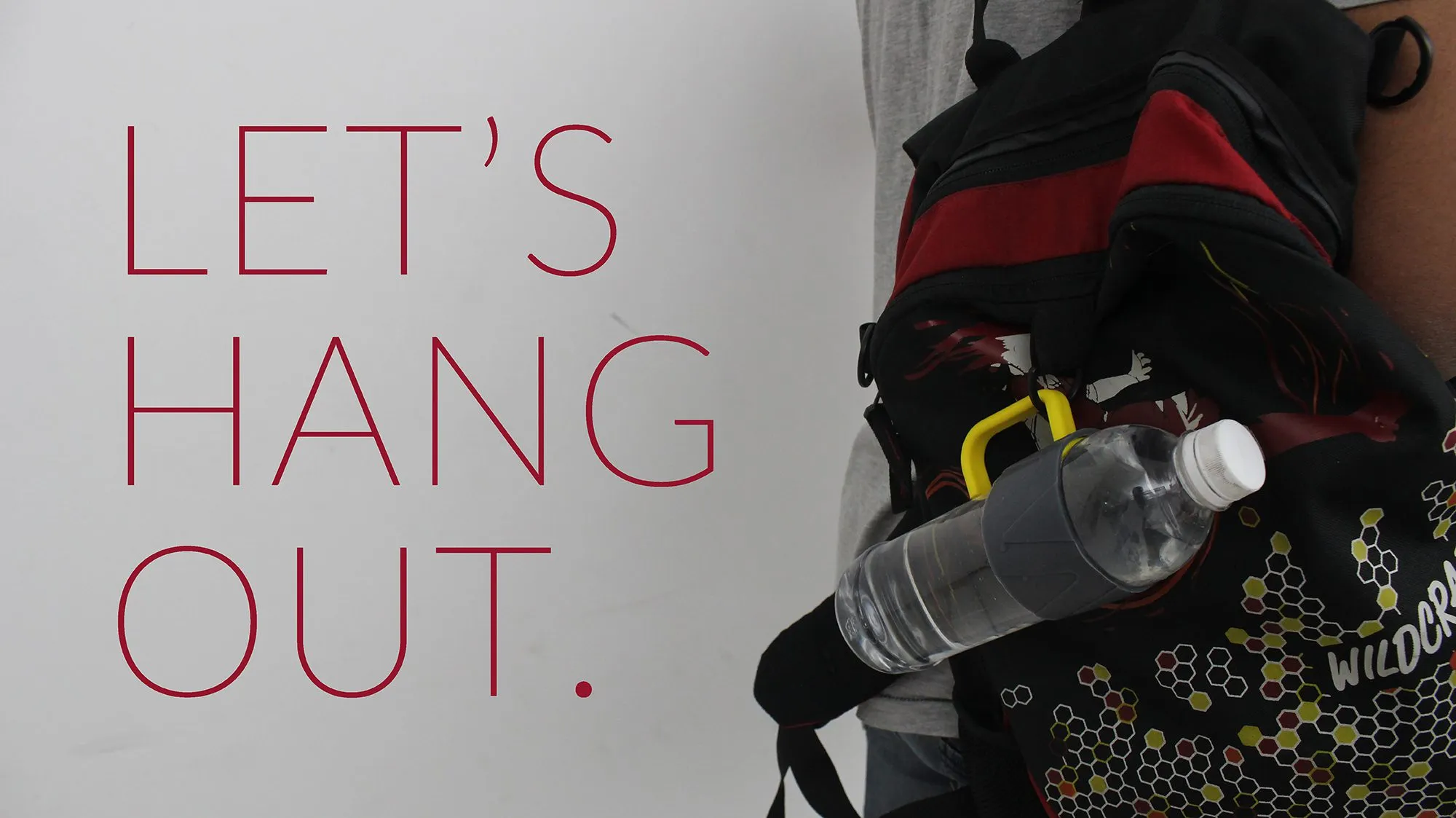
The campaign images said it better than a spec sheet ever would.
It is the smallest thing I have ever shipped, and it taught me a lesson I have used on everything bigger since: prototype with whatever is in the room, then hand it to people and watch what they do with it. Nobody asked for a coaster. The jar had one all along.