One of the things we love most at Envision is being at the bleeding edge of technology. Not just following trends, but shaping them. Playing with the new, the experimental, the not-yet-ready-for-prime-time, and turning it into something meaningful for our community.
So when Meta’s Reality Labs Research team gave us a call about their upgraded Aria Gen 2 glasses it was an easy yes. Aria Gen 2 is the second iteration of Project Aria’s research device, a not-for-sale research tool given out through an application process. What we saw was one of the most sensor-packed research glasses we’d ever encountered, all in a sleek, wearable form factor.
Naturally, the wheels started turning.
We decided to team up to build a bold prototype that combined Aria Gen 2’s spatial audio capabilities with Envision’s agentic AI, with one big goal: help blind and low-vision users navigate complex indoor spaces.
To ground the idea in reality, we turned to our community. We asked: where do you face the most challenges indoors? The top four that emerged — supermarkets, offices, airports, and train stations, didn’t surprise us, but gave us clarity.
We chose to start with supermarkets.
Specifically, navigating to and identifying items in the produce section, something deceptively simple, but extremely nuanced when done independently and accessibly.
So we got to work. Meta’s team built the spatial audio infrastructure, enabling sound to be placed in a 3D space using stereo speakers. Meanwhile, we designed a conversational AI experience that could do things like:
- Recall a saved shopping list
- Identify fruits and vegetables (“What kinds of apples are here?”)
- Handle more nuanced queries (“Which apple is best for a pie?”)
Behind the scenes, this AI had to pick the right tool, camera, memory, web search, LLM, or navigation, to answer each question in context.
After weeks of building prototypes across the Pacific, it was time to bring it all together. So our team: Arman Soudi, Alican Aşan, Bhagya Goonewardhane, Karthik K., and I, flew down to Meta’s campus in Seattle
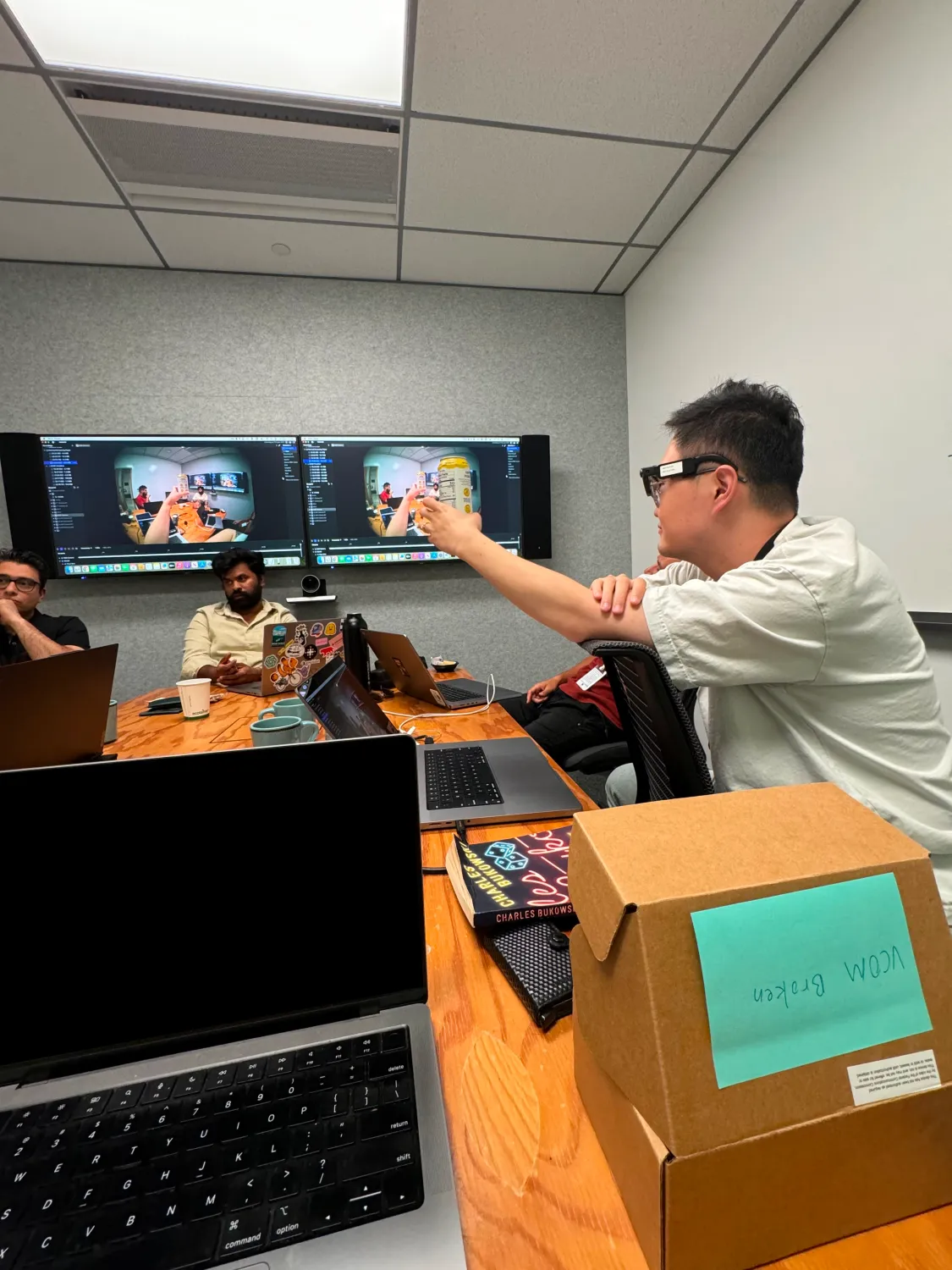
Understanding the possibilities and limitations
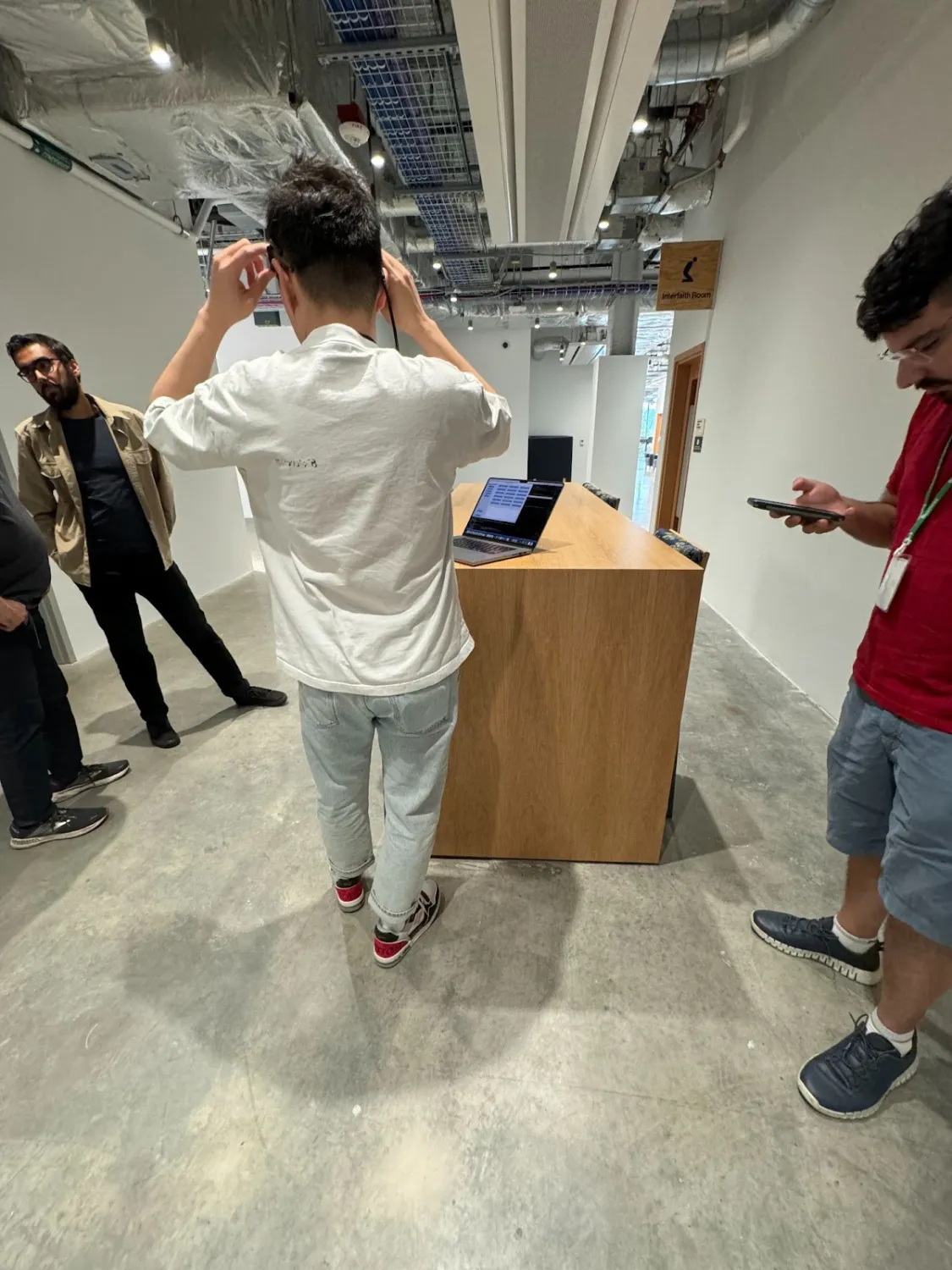
Testing in closed settings
There, we integrated both systems on the actual device and tested it indoors. Meta had already scouted a supermarket in Carnation that was ideal for our field tests.
Now, we could’ve stopped there. We had a working prototype. We could’ve shot a polished video and called it a day. But that’s not how we roll.
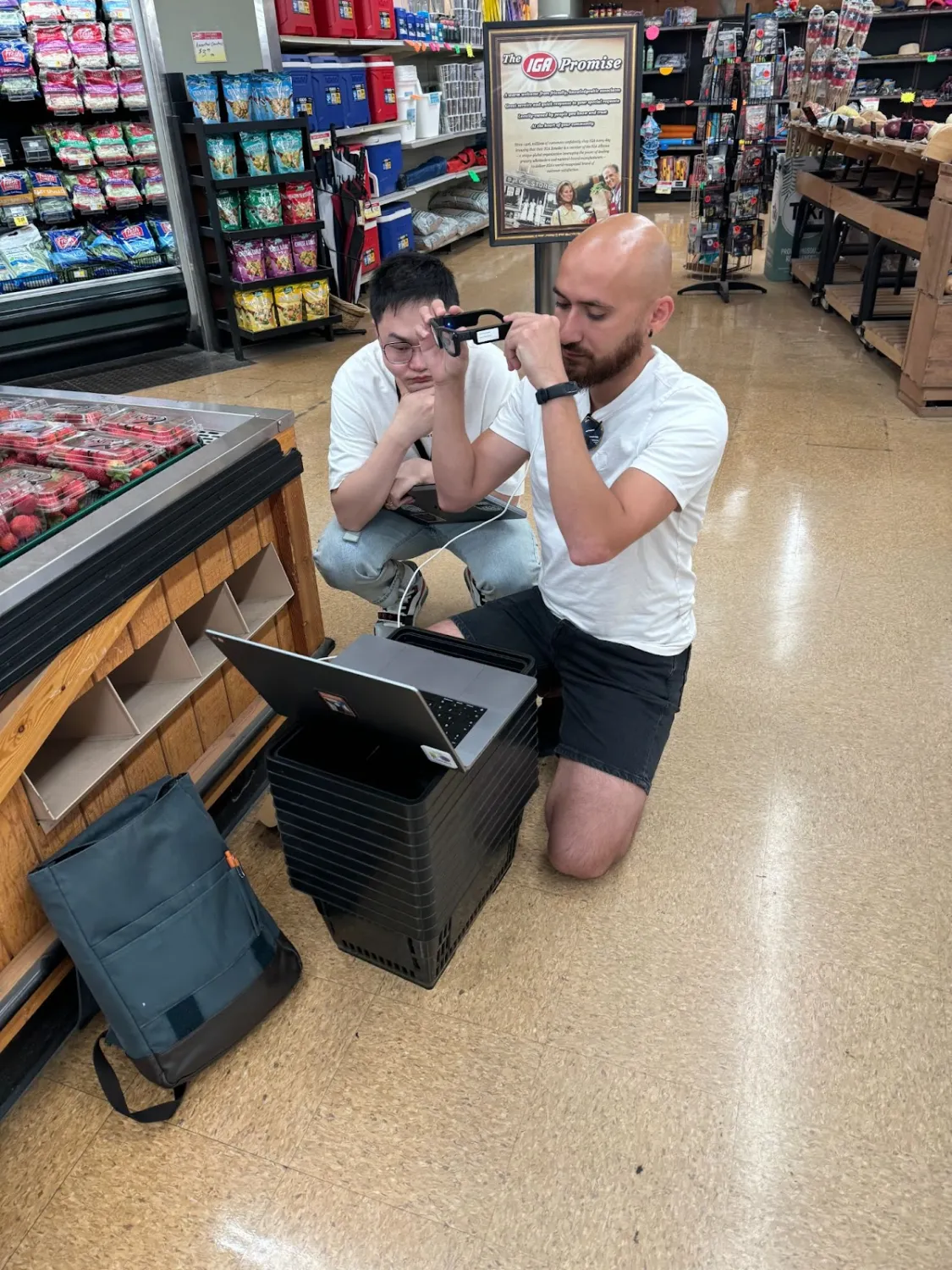
Testing in the field
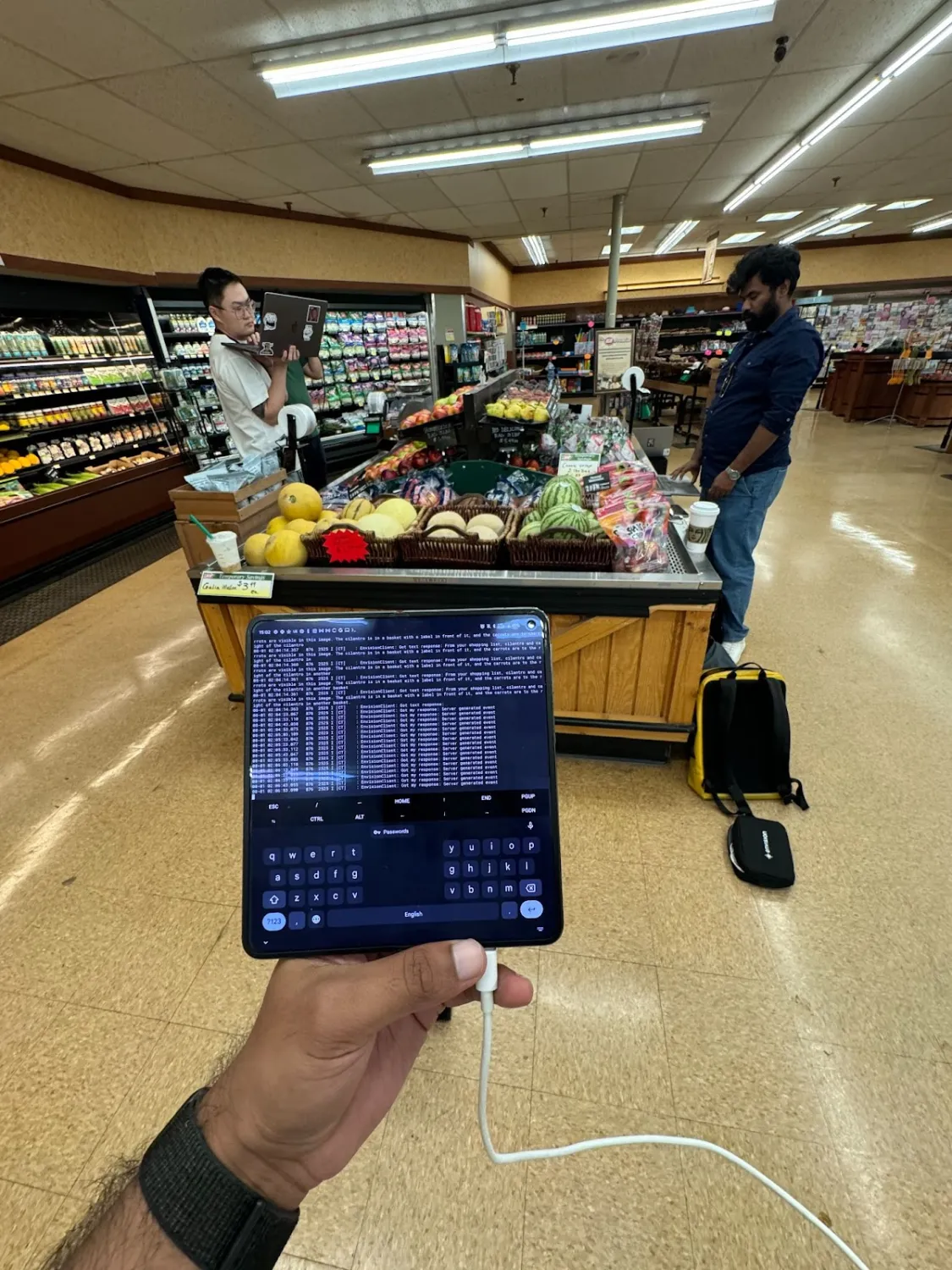
Breaking and fixing things as we go
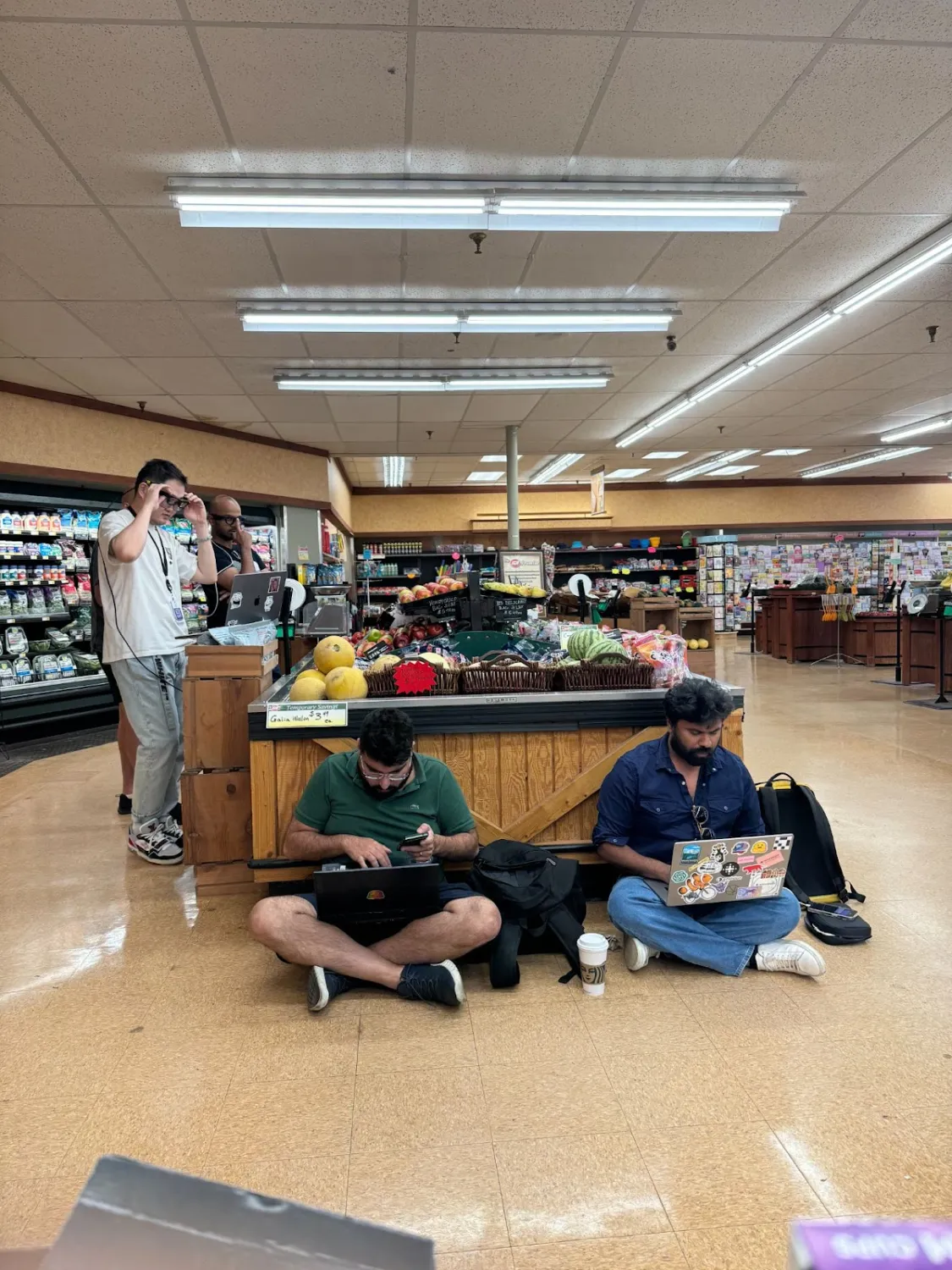
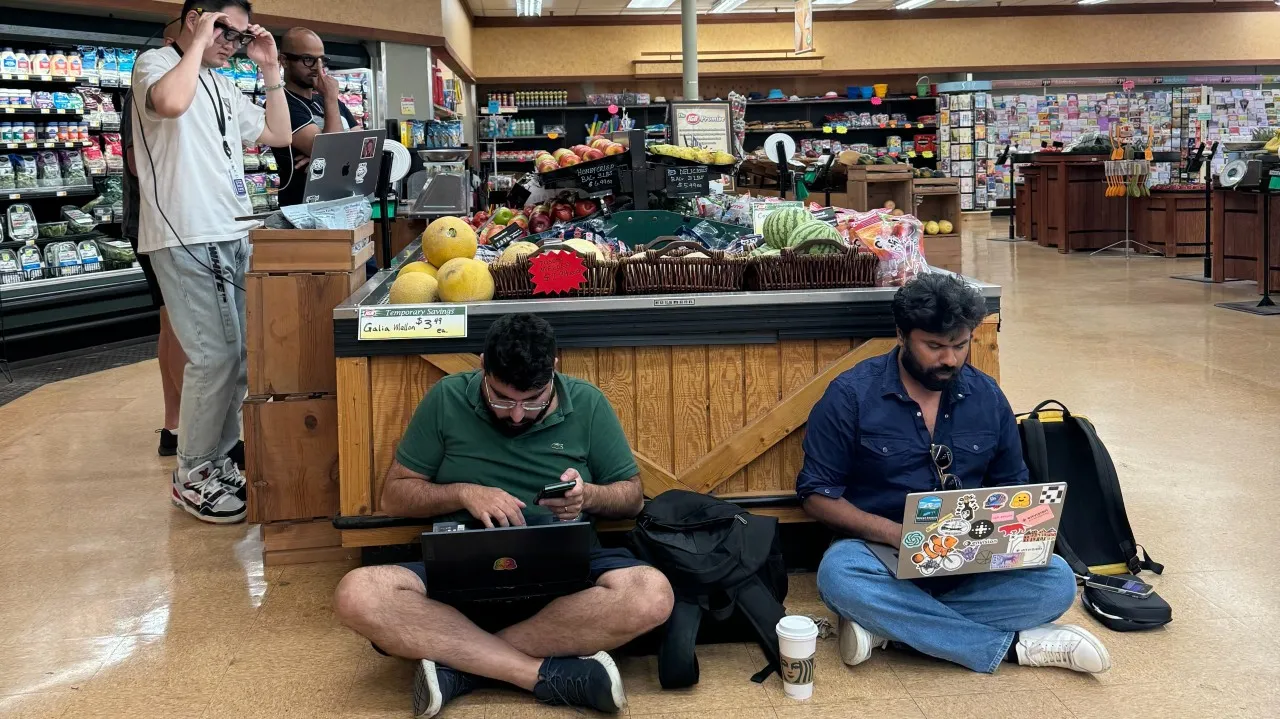
After a point, we really started to feel at home (office) there
We spent two full days at the supermarket ensuring the prototype worked as intended, no smoke, no mirrors. We also had Sharon Giovinazzo, the CEO of Lighthouse SF, a real user, test the experience end-to-end firsthand.
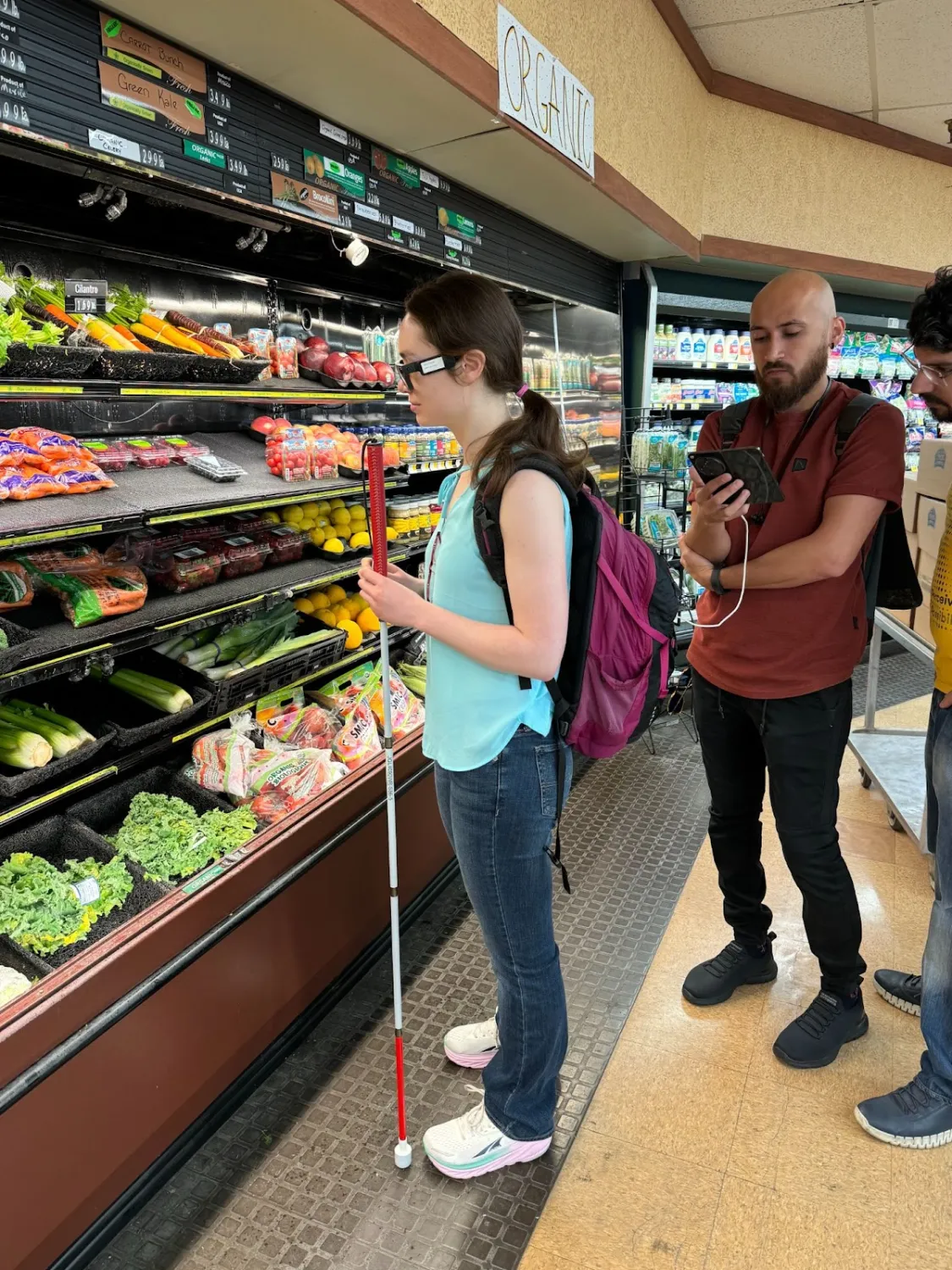
Testing and validating with blind and low-vision users
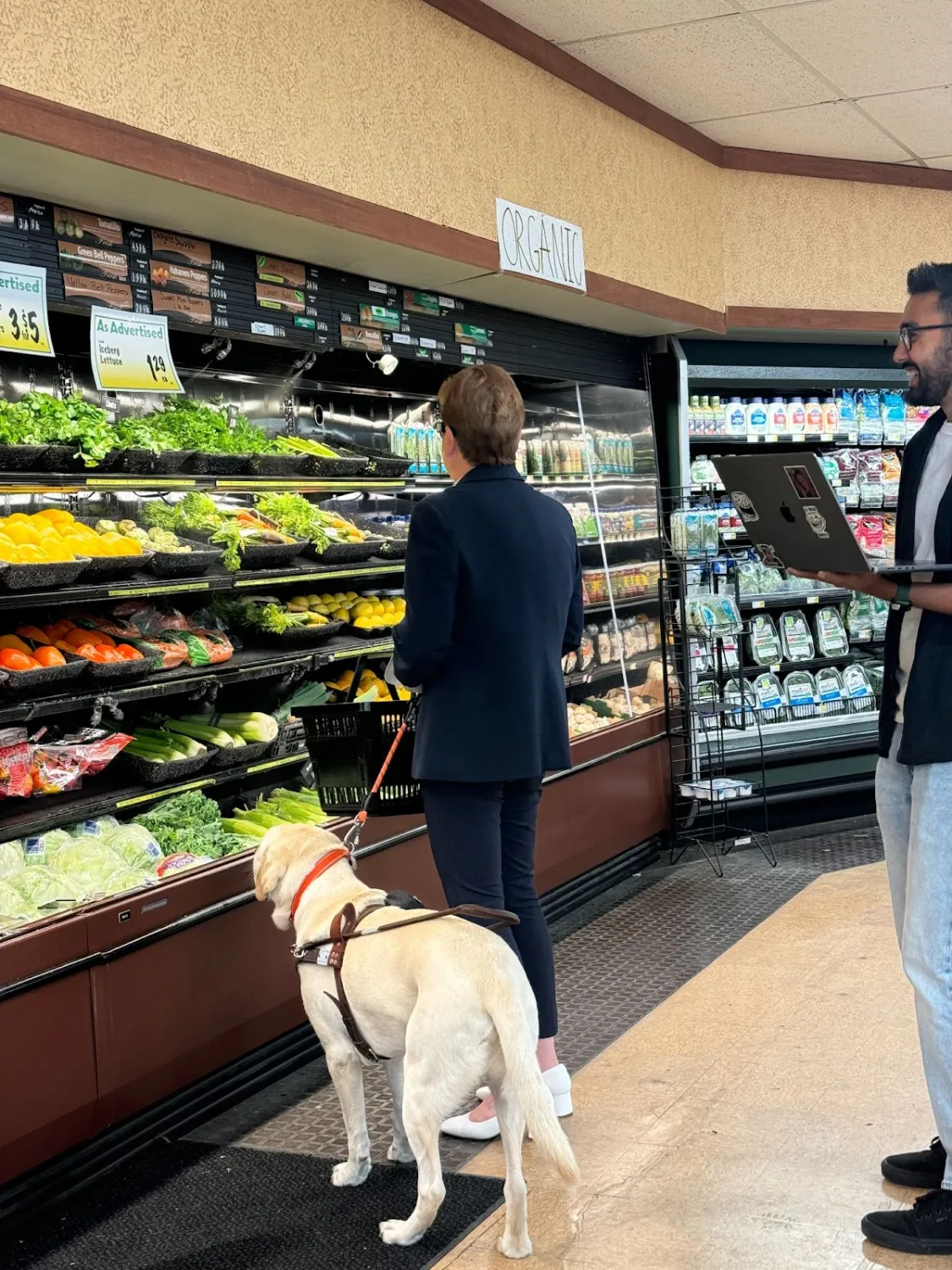
Sharon giving her final bits of feedback day before the shoot
Only once it actually worked, did we capture it on film.
It was an intense sprint, but one that taught us a lot, not just about where smartglasses are headed, but how we at Envision need to evolve with it. This wasn’t just a demo. It was a glimpse into a future we believe will soon be the norm.
And we’re not done. Envision and Meta continue to explore ways to bring more futuristic concepts to life.
Stay tuned for the next adventure.
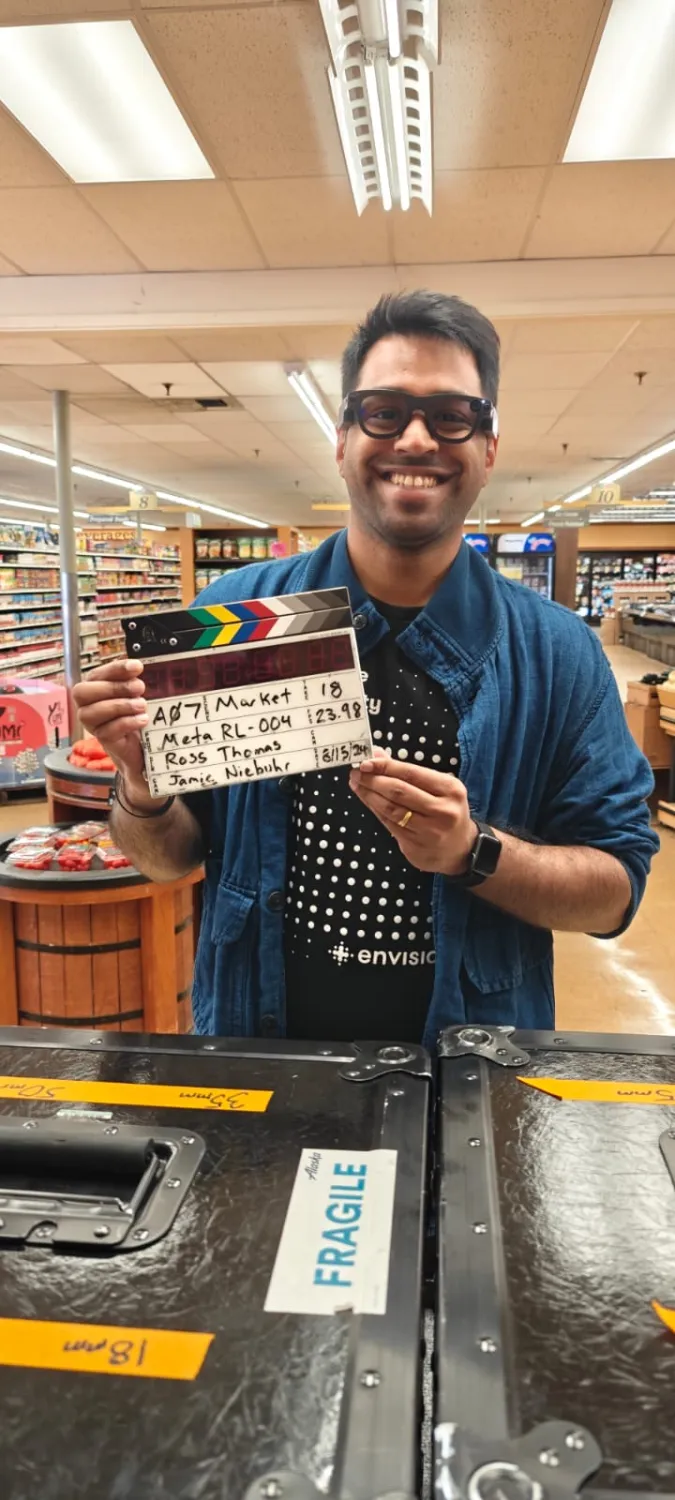
It’s a wrap (until the next blockbuster)
Special thanks to Prince Gupta Saransh Solanki Chen Kong Archit Gupta for your cooperation on this 🙏