Problem
For people who are blind or have low vision, everyday visual information needs sighted help: a letter in the mail, a menu, a departure board at the station. The world writes its information visually, and you cannot put a braille sticker on everything.
Process
Envision started as my graduation thesis. On a holiday in India, I was invited to speak at a school for the blind about what a designer does. I told the students a designer is someone who solves problems, and ended with a question: if you became a designer tomorrow, what problem would you solve? Nearly every answer in the room was the same wish. I want to be more independent. Go to school on my own. Read a book by myself. Hang out with my friends.
That stayed with me. Back in Delft I turned it into research, talking to blind and low-vision people about what independence actually meant to them. The pattern was consistent: independence meant access to information. And if the world’s information could not be made accessible piece by piece, the camera could extract it and speak it out.
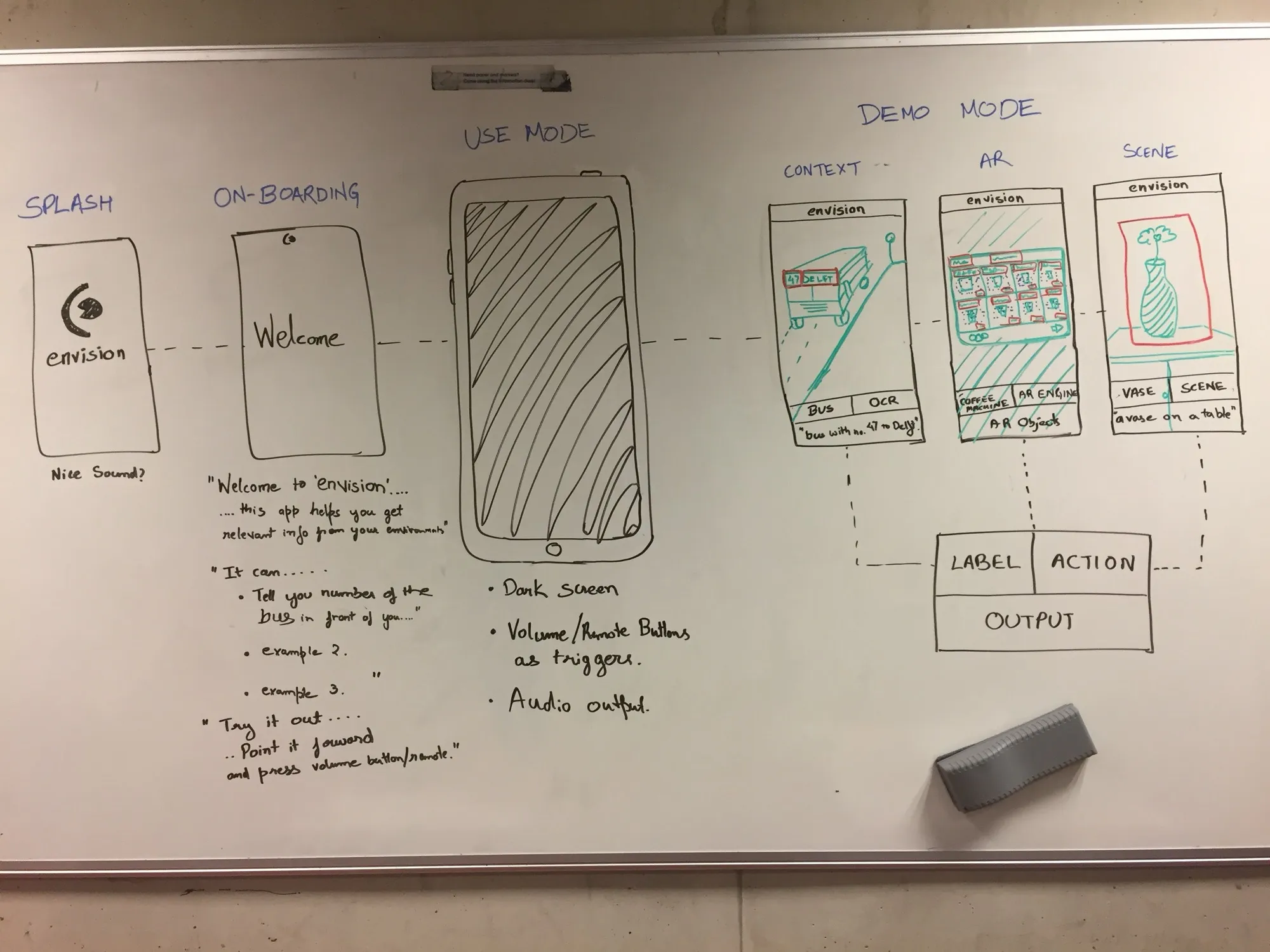
I teamed up with a friend doing AI research, Karthik Kannan, who became my co-founder. We built rough prototypes and I took every one of them to blind users. The first version could say “there is a cup on the table”. Not useful, they told us. Tell me it is a red cup. Tell me it is my cup. Read the text on it. The product was built from feedback like that, iteration by iteration.
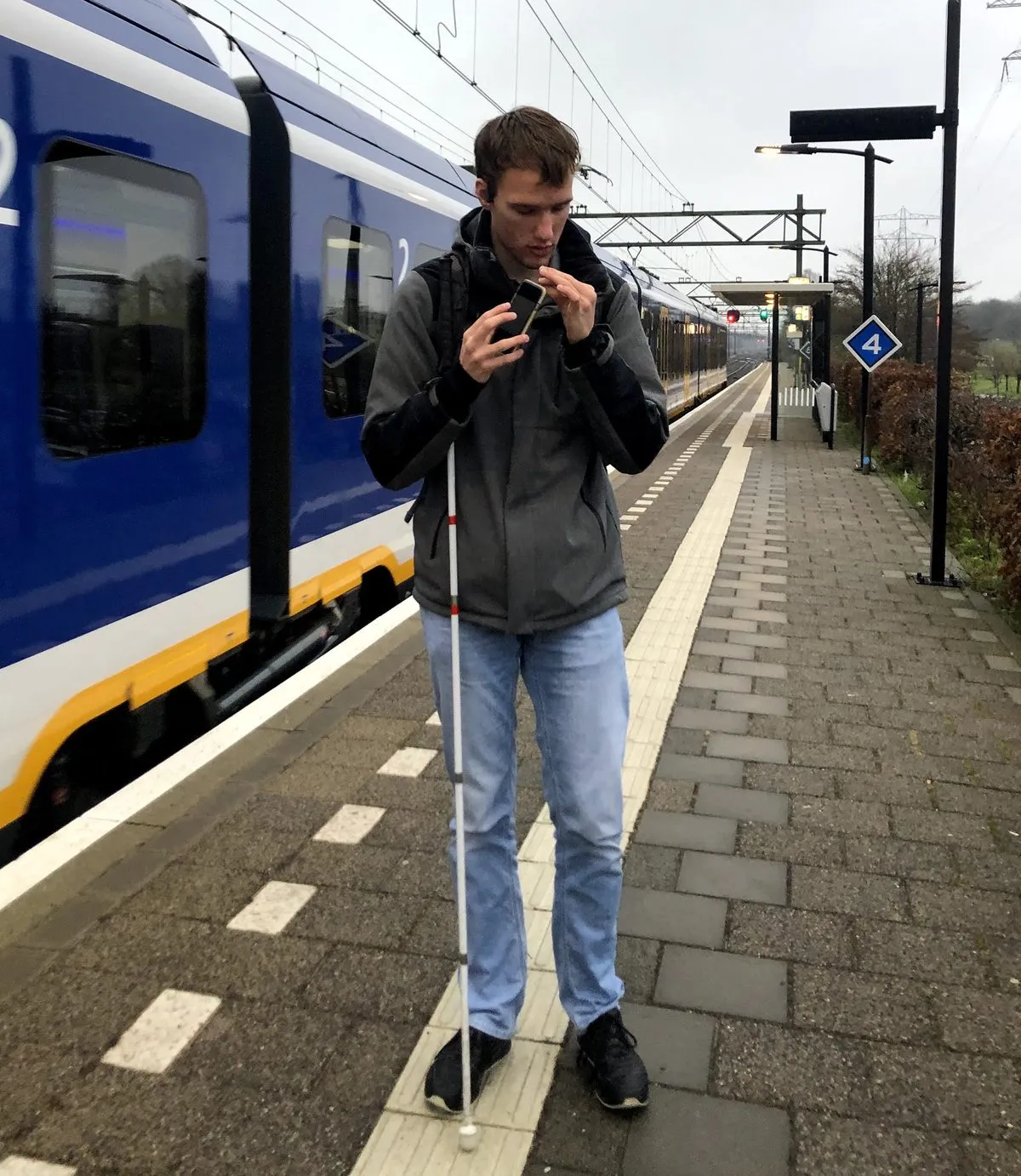
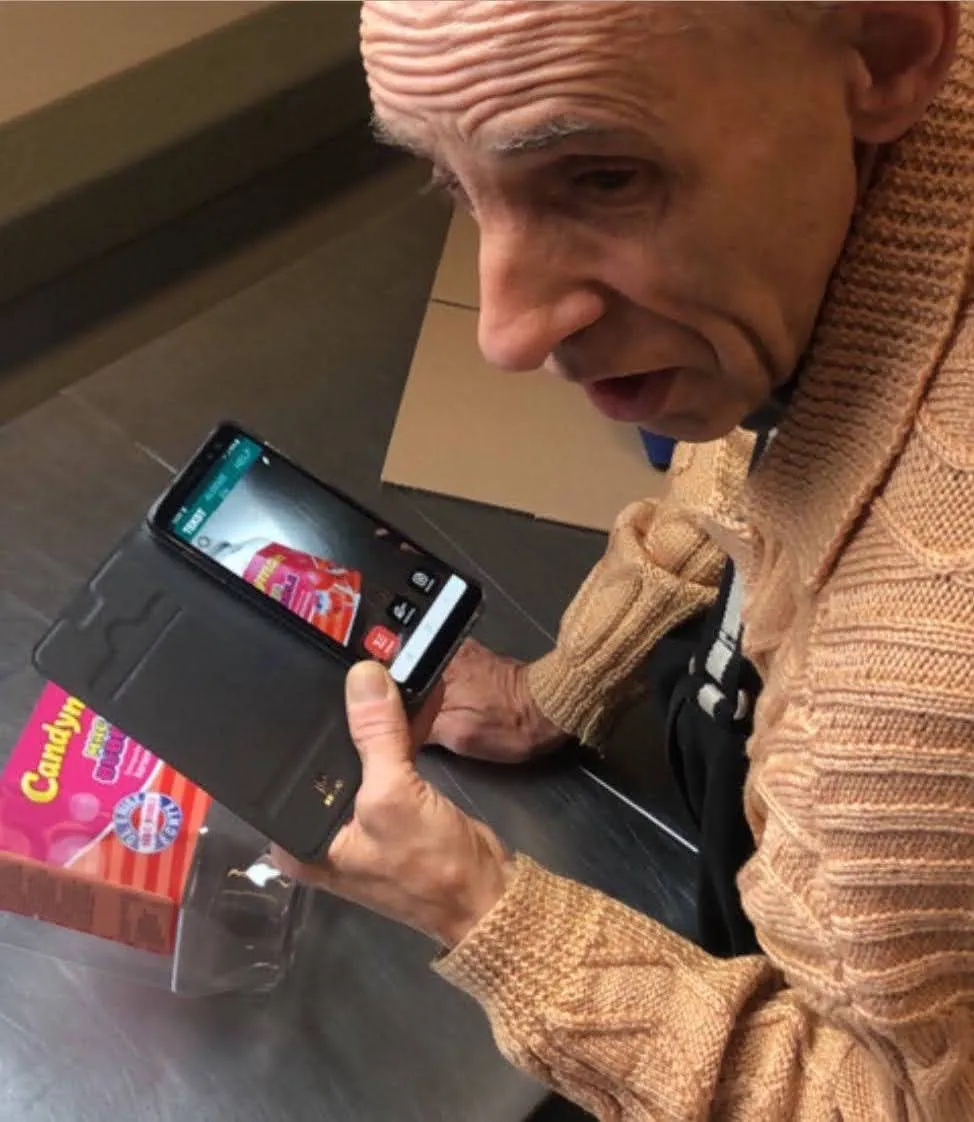
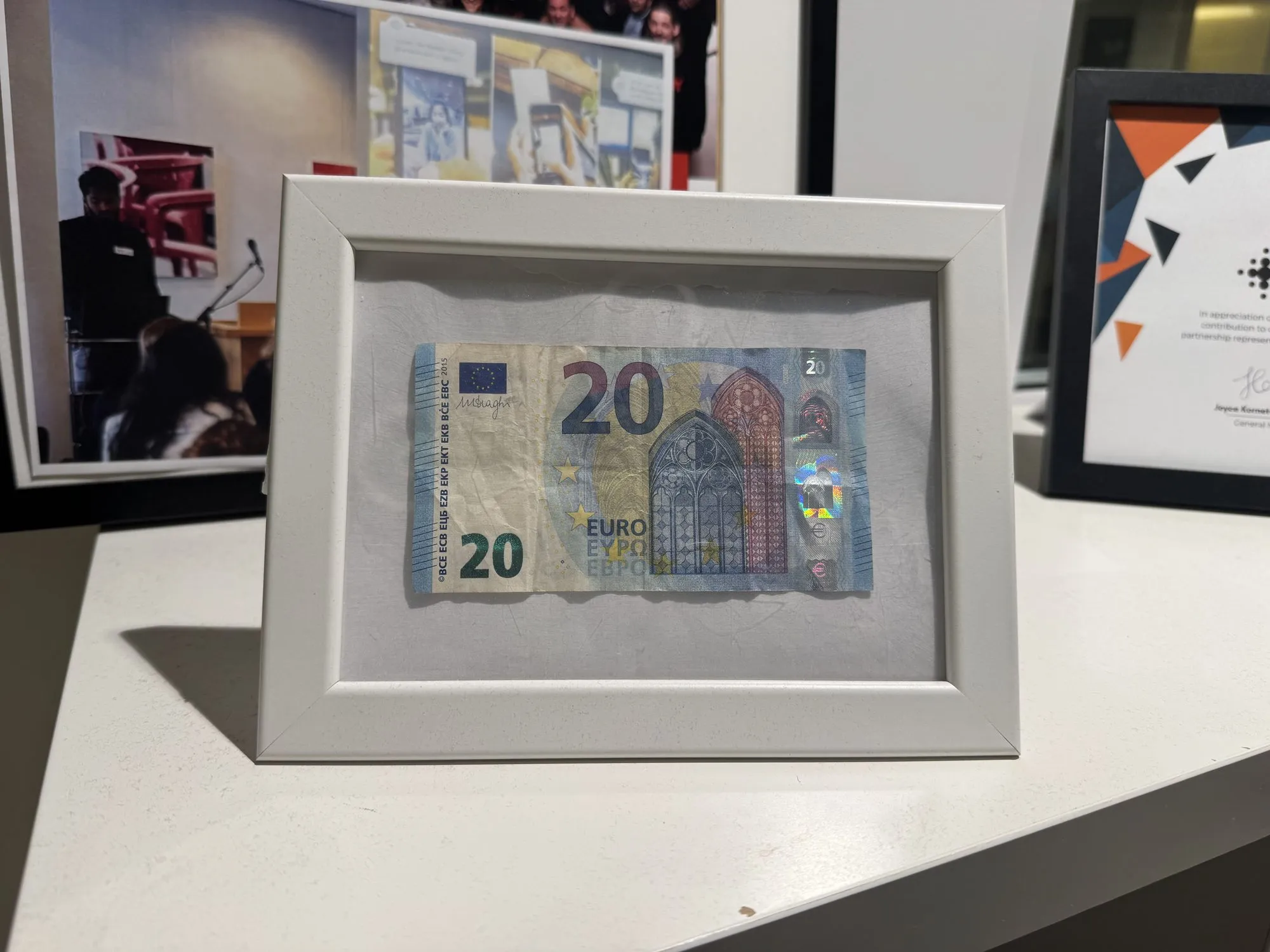
At an exhibition in the Netherlands, I demonstrated an early version to a woman in her sixties. When I finished, she reached into her purse, pulled out a twenty euro note and asked me to put the app on her phone, right there. I tried to explain the App Store. She wanted to pay cash, on the spot. That note is framed in our office. That was the day we knew.
Solution
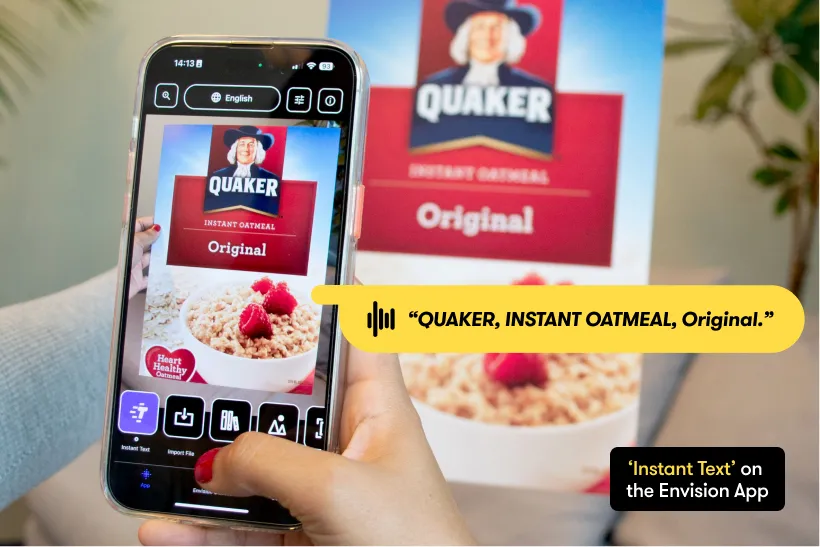
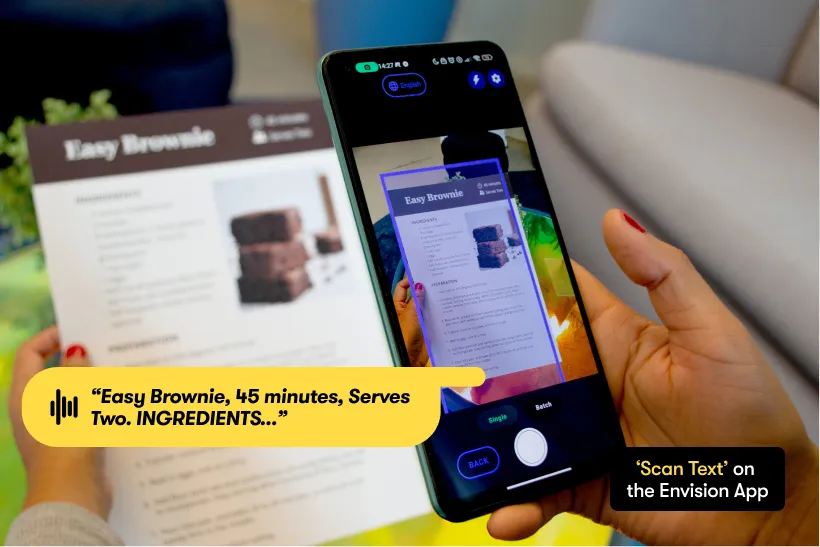
A smartphone app for iOS and Android that speaks out the visual world: text in 60+ languages including handwriting, scene descriptions, objects, colours, barcodes and familiar faces. A Swiss army knife for visual information, small enough to live in a pocket.
The AI under it was 2017-era machine learning, archaic by today’s standards. It changed daily life anyway.
Impact
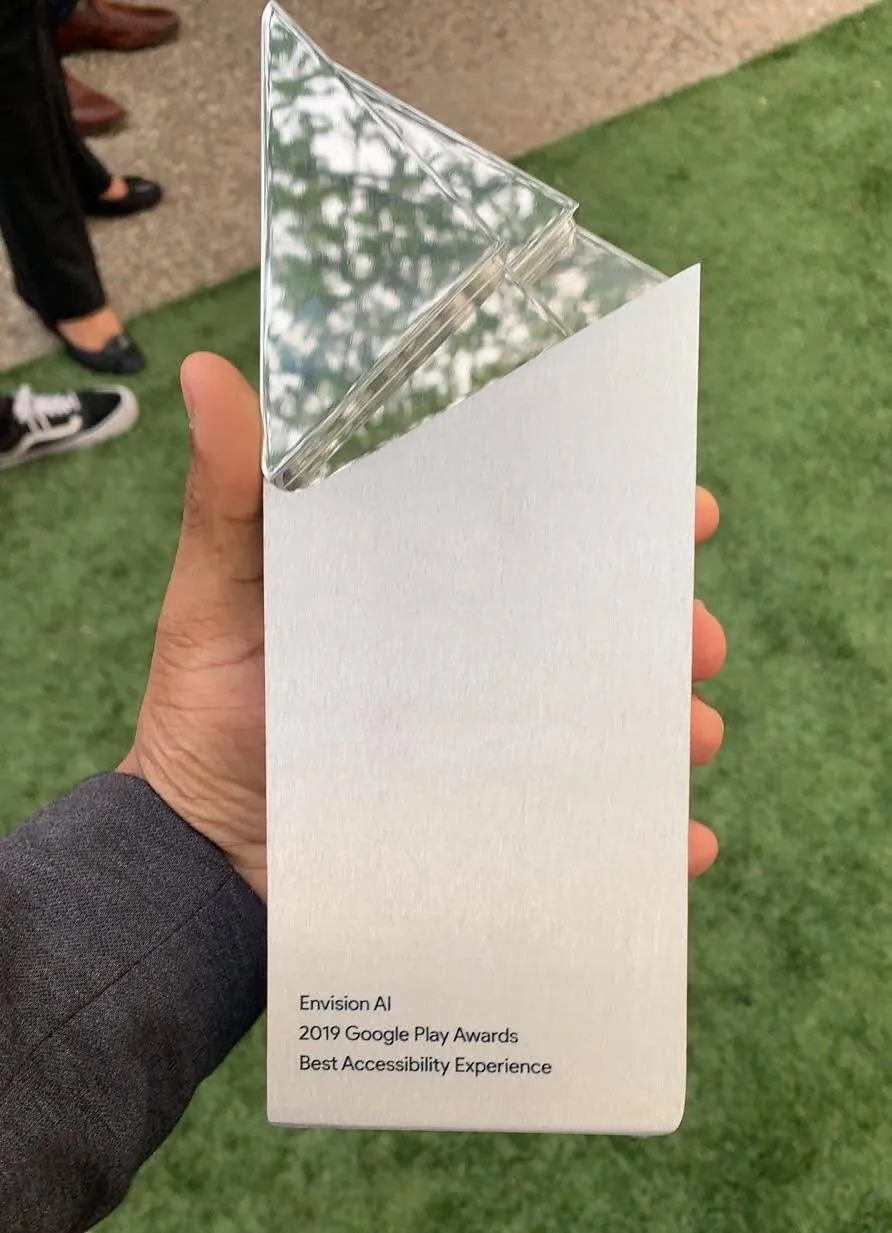
The app grew almost entirely by word of mouth in the blind community: 750,000 users in 180+ countries, over 100 million pieces of text read and 50 million images described. It won the Google Play Award in 2019 and a place in the AppleVis Hall of Fame, voted by the community it serves.
It also set Envision’s course. Everything we have built since, glasses included, started from what app users told us they needed next.