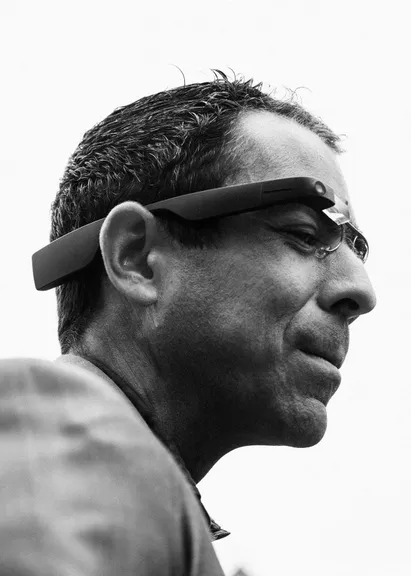
Problem
The Envision app proved the assistance worked. But one piece of feedback kept returning from our users: it would be amazing if I could use this without holding a phone. Most of them already have a cane or a guide dog’s harness in one hand. Occupy the only free hand with a phone, and there are no useful hands left.
The assistance had to move onto the body and disappear.
Process
We knew one thing from the start: we should not build the hardware ourselves. Hardware is capital-intensive, and in a niche market the economics of scale work against you. So the plan became finding existing smart glasses we could make our own.
Between 2018 and 2019 we tested everything on the market, Vuzix, Iristick, and plenty of names I have since forgotten. Every pair failed one of our two criteria. Either the processor could not handle the AI workload the product needed, or the device was so big and bulky that no blind person would wear it. That second criterion mattered as much as the first: our users already attract more attention than they want, and they were not going to put something on their face that made them look like a cyborg. Nothing on the market passed both tests.
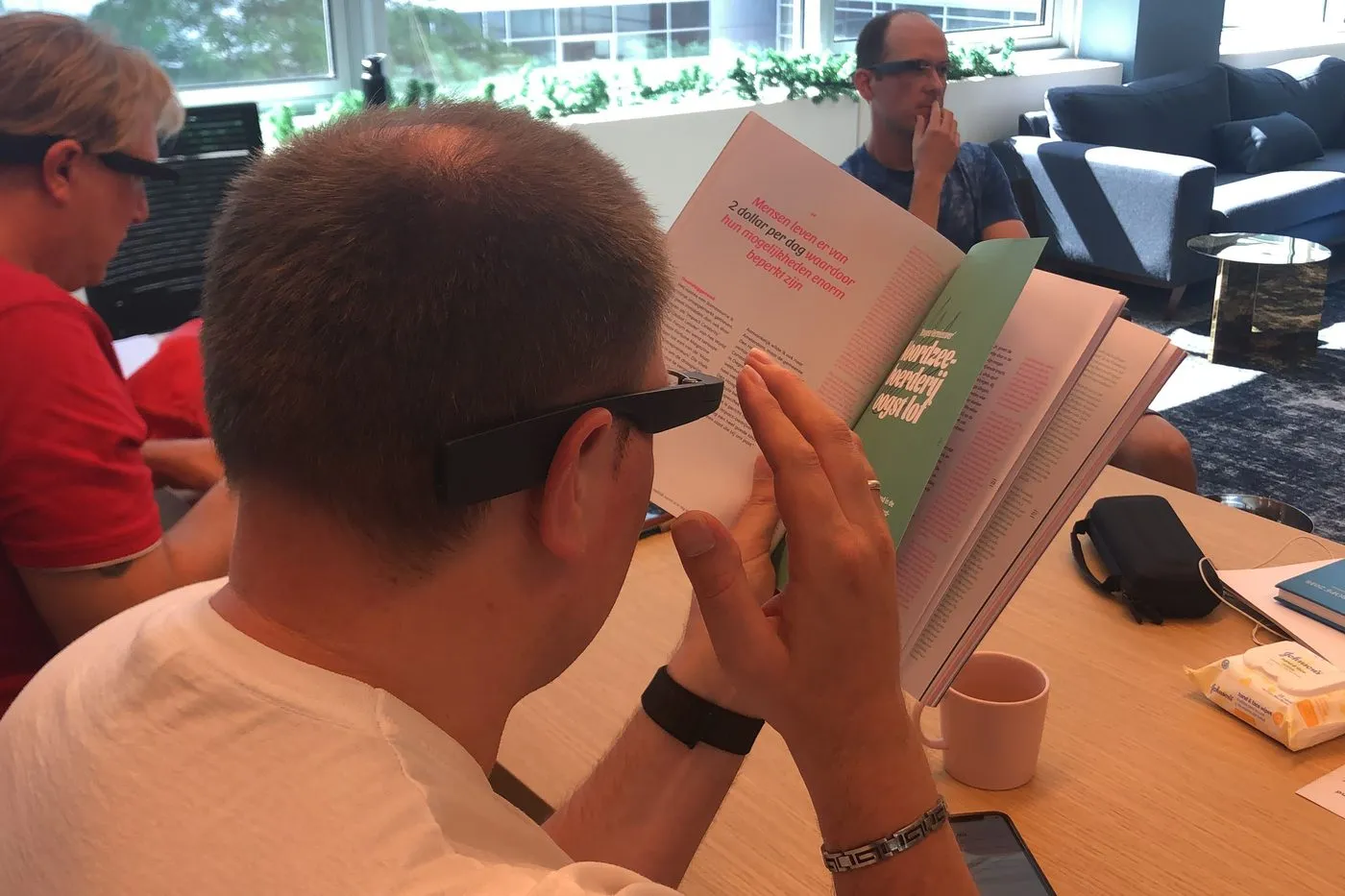
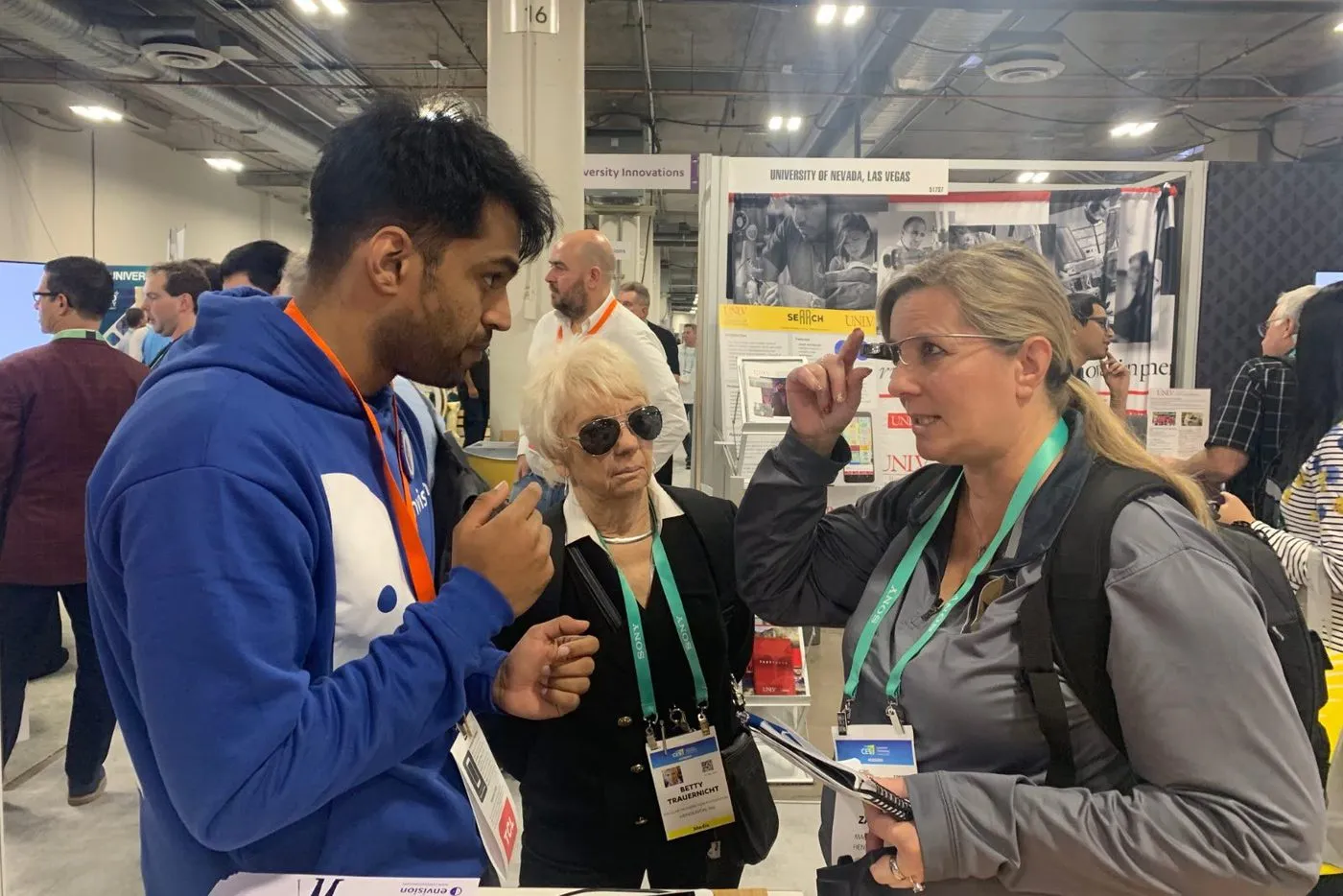
Then we won the Google Play Award, and Google flew us to Mountain View. When we described what we were looking for, they introduced us to the team rebooting Google Glass as Enterprise Edition 2, aimed at warehouses and factory floors. The accessibility use case excited them, and we struck a partnership that gave Envision near-exclusive rights to bring the hardware to consumers.
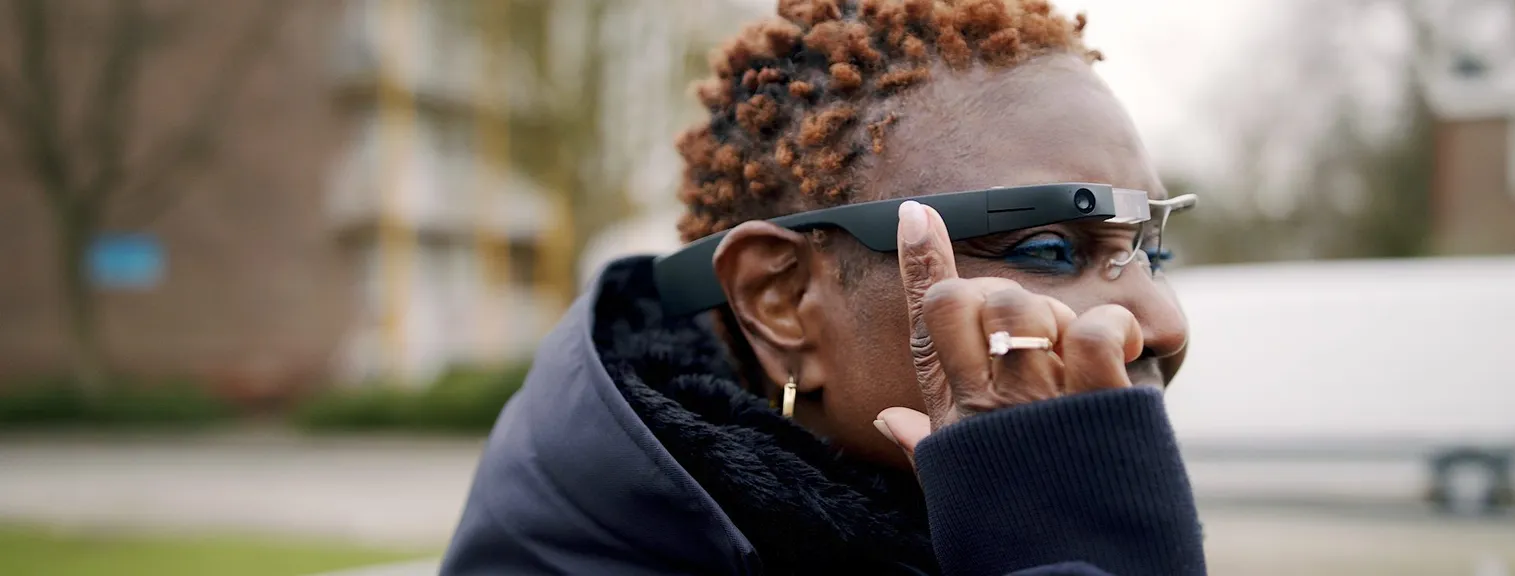
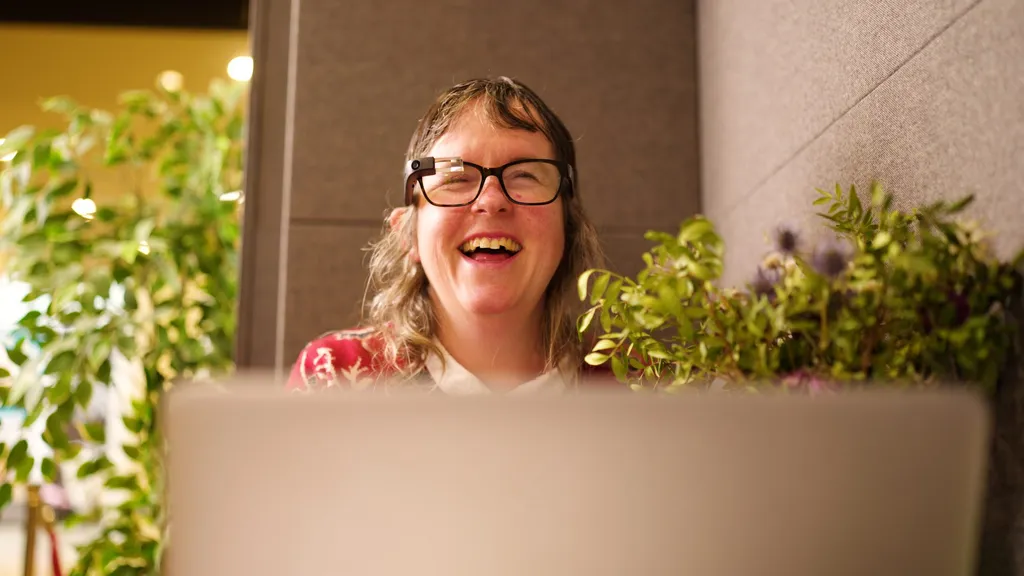
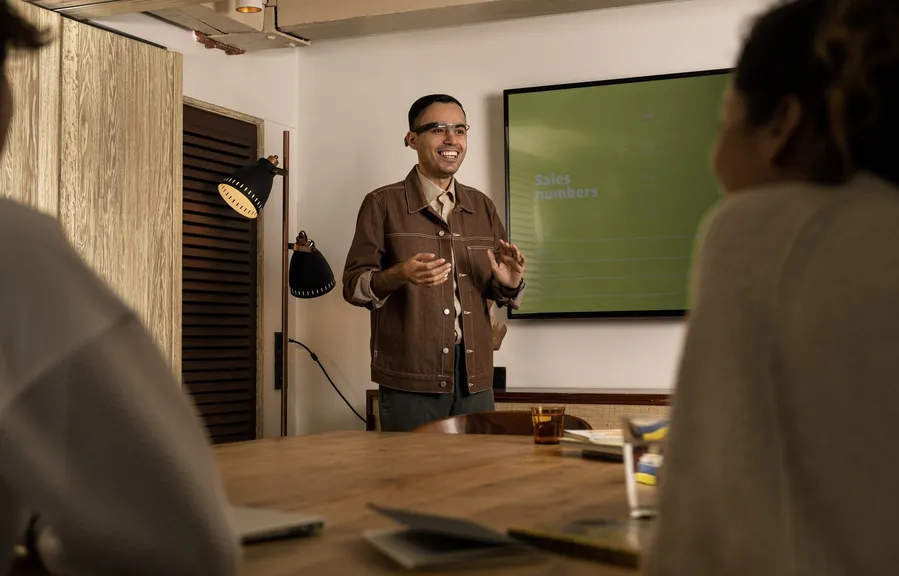
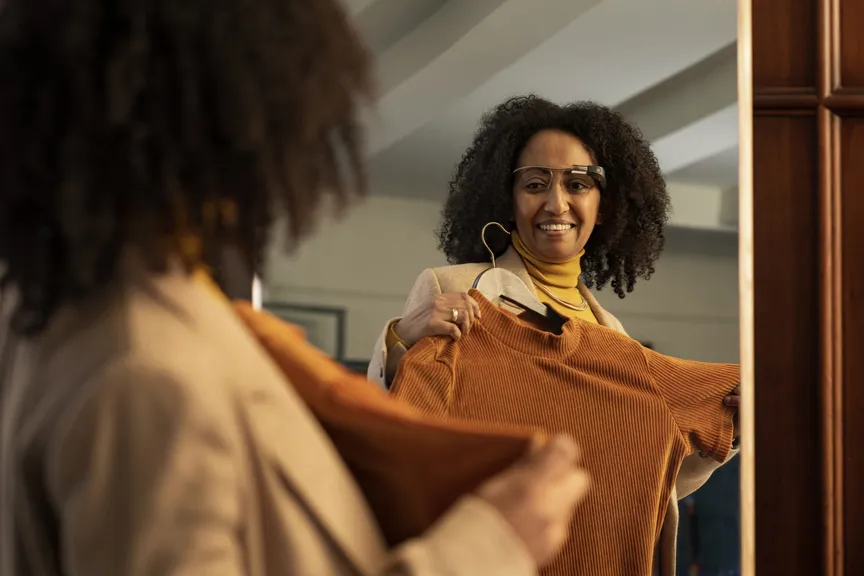
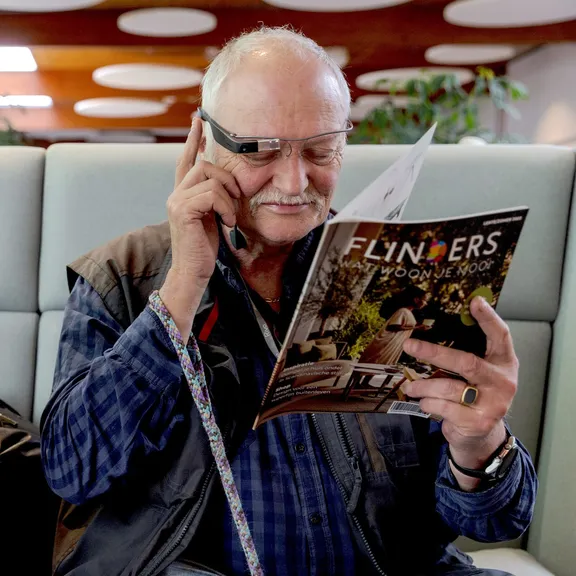
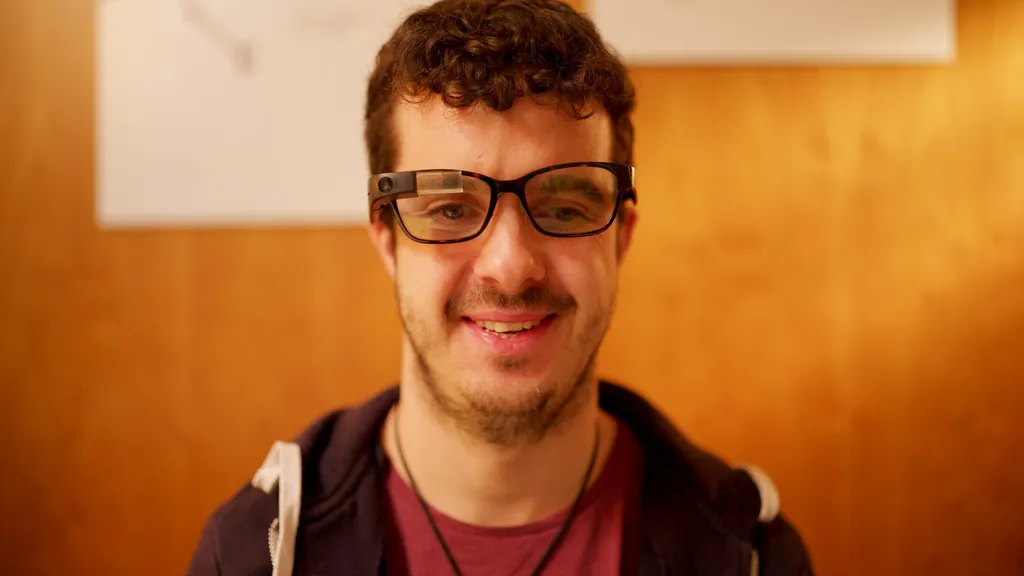
The Glass hardware passed both criteria: enough processing for the AI, and a form factor under 50 grams that reads as glasses, not equipment. We flashed it entirely with our own software, because accessibility cannot start at an app; the device has to be usable by a blind person from the moment it powers on.
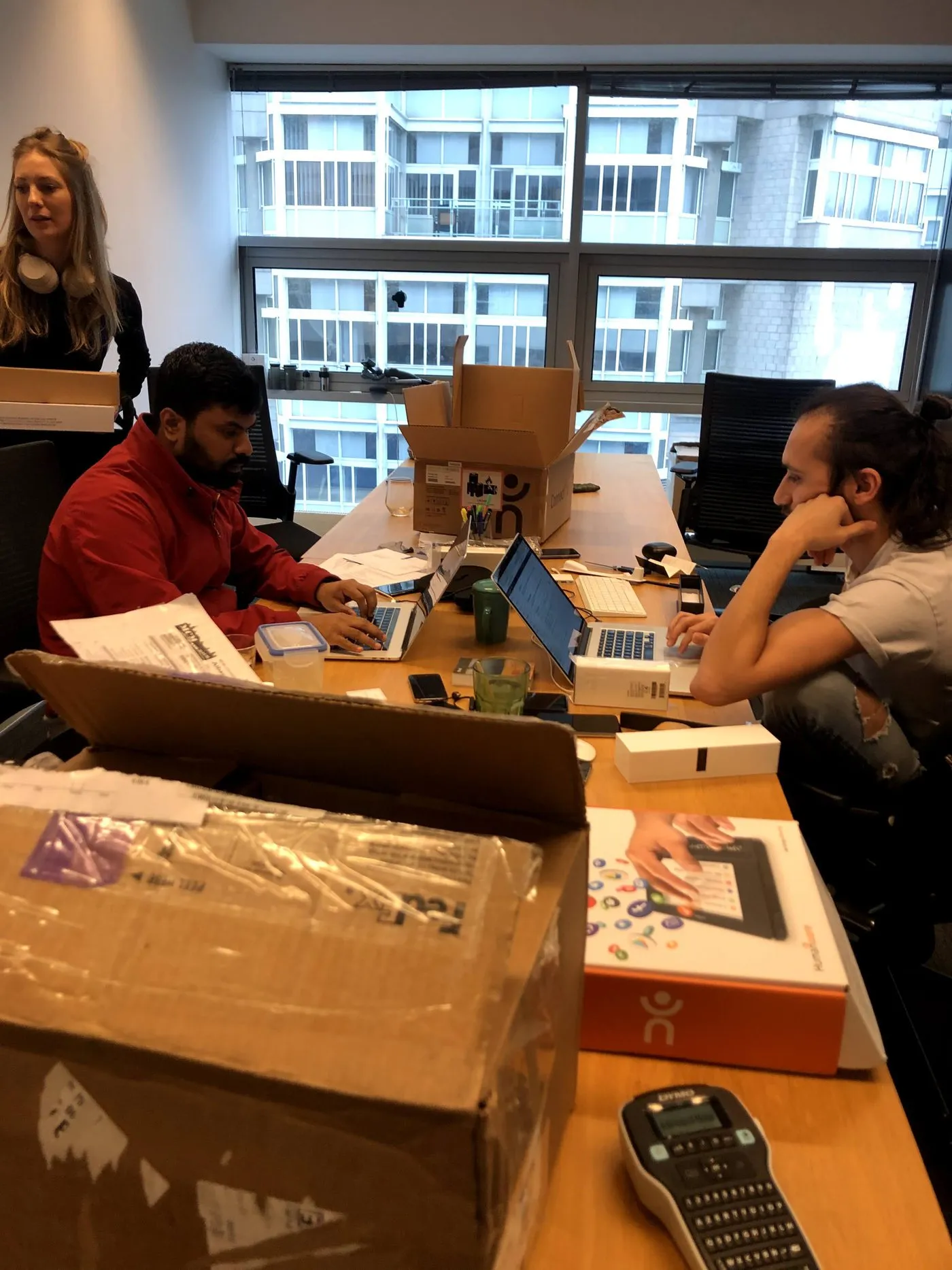
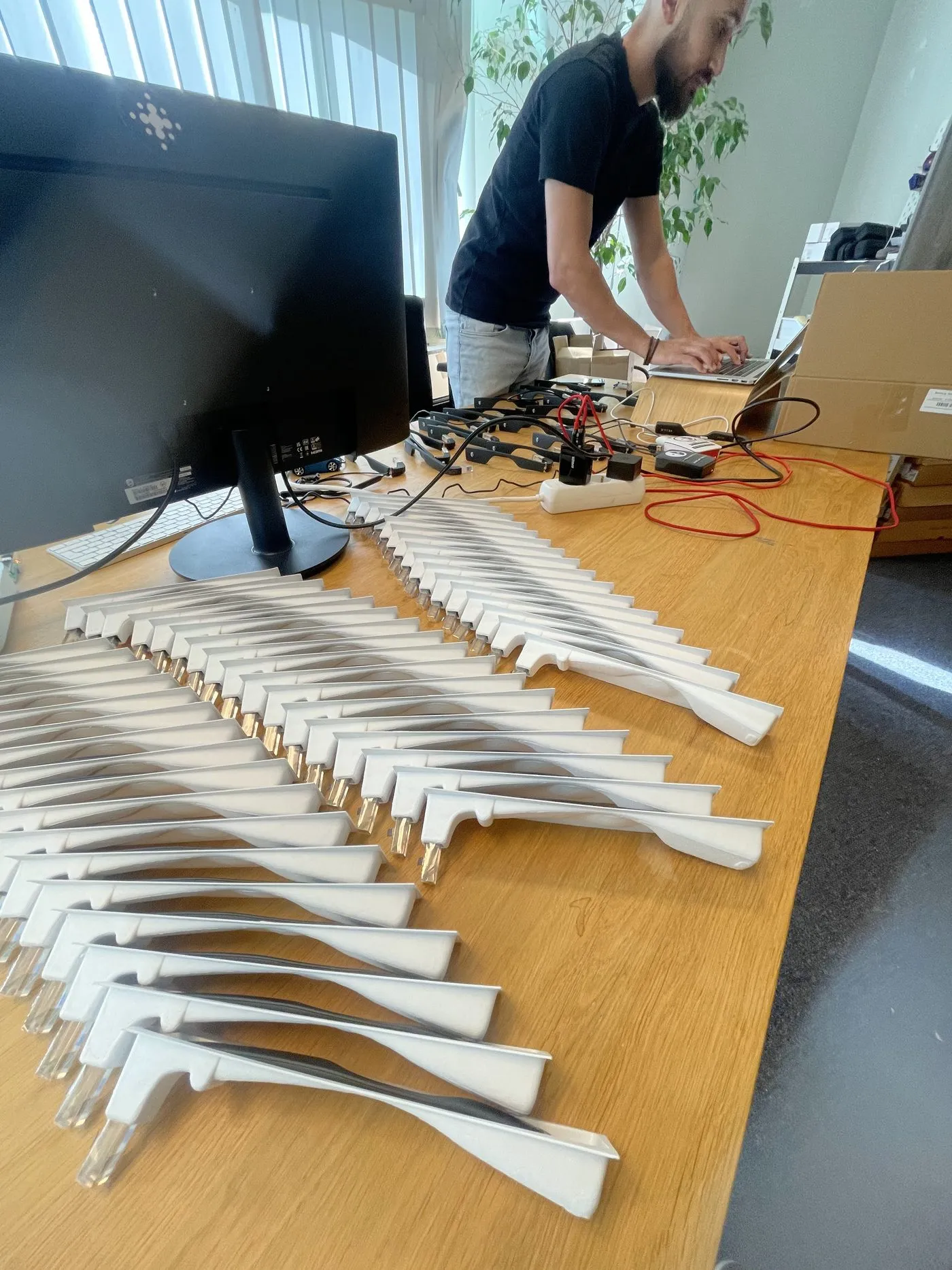
We launched with a pre-order campaign. It was oversubscribed within hours. That is when we knew the demand was real.
Solution
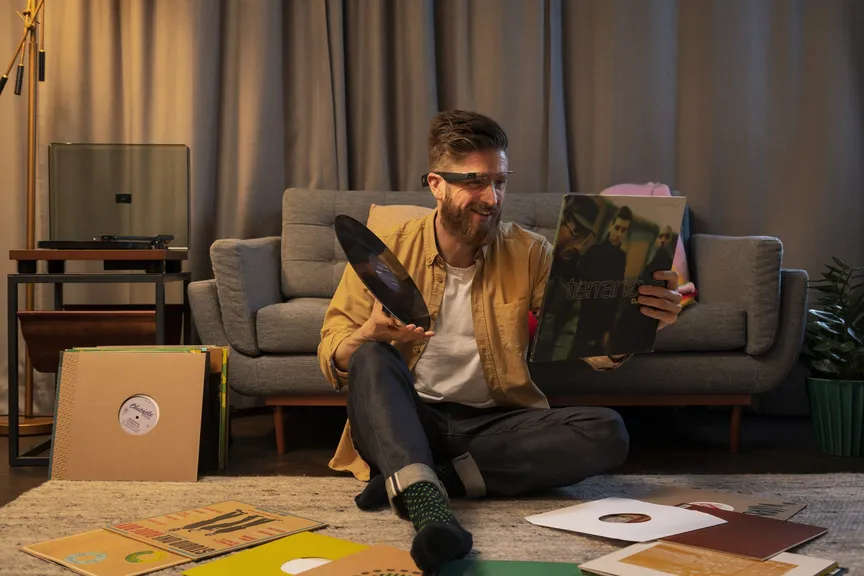
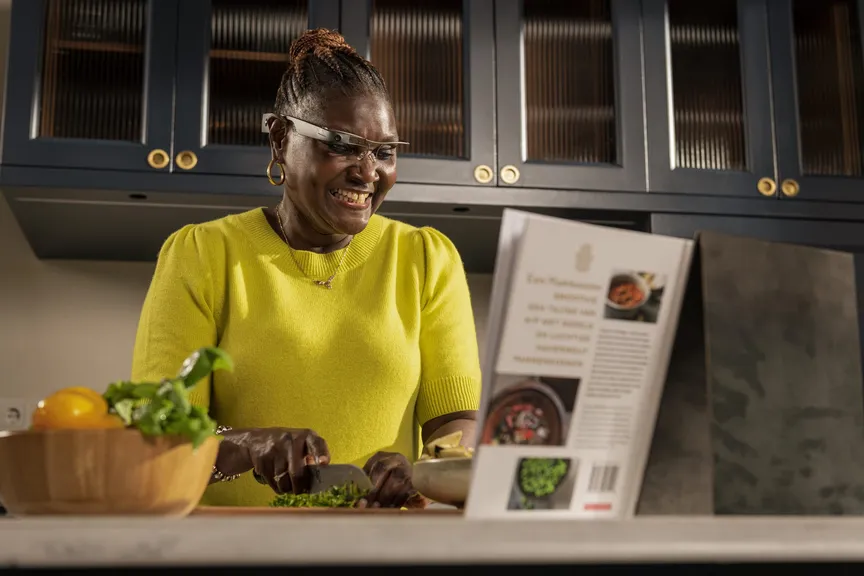
Envision Glasses deliver everything the app does, hands-free and heads-up: instant text reading, scanned documents in 60+ languages, scene descriptions, recognizing cash, colours, objects and familiar faces. When AI is not enough, a video call puts a trusted companion or a professional agent behind your camera. All of it voice controlled, with audio straight to the ear.
They launched around $2,000. Expensive, but this was years before mainstream AI glasses existed, and the incumbent assistive wearable at the time cost $5,000 and did less.
Impact
Over 5,000 pairs sold worldwide, and the revenue that keeps the Envision app free for everyone. We also certified the glasses as a medical device and did the unglamorous work of reimbursement, so that in more than 20 countries an insurer or a government scheme pays for them, not the user.
The impact I actually care about does not fit in those numbers. A mother reading a storybook to her son for the first time. A student in India getting through his banking exam without anyone sitting beside him to read the paper out. A woman travelling the world on her own. Thousands of ordinary afternoons, handed back to the people they belonged to.
The sharpest one, and the only message that has ever made me break down in tears, was Richard. He was a boy in Mississippi losing his sight to a brain tumor, and of everything the Make-A-Wish Foundation could have granted him, he asked for a pair of Envision Glasses. His wish was to keep playing with his Pokémon cards.
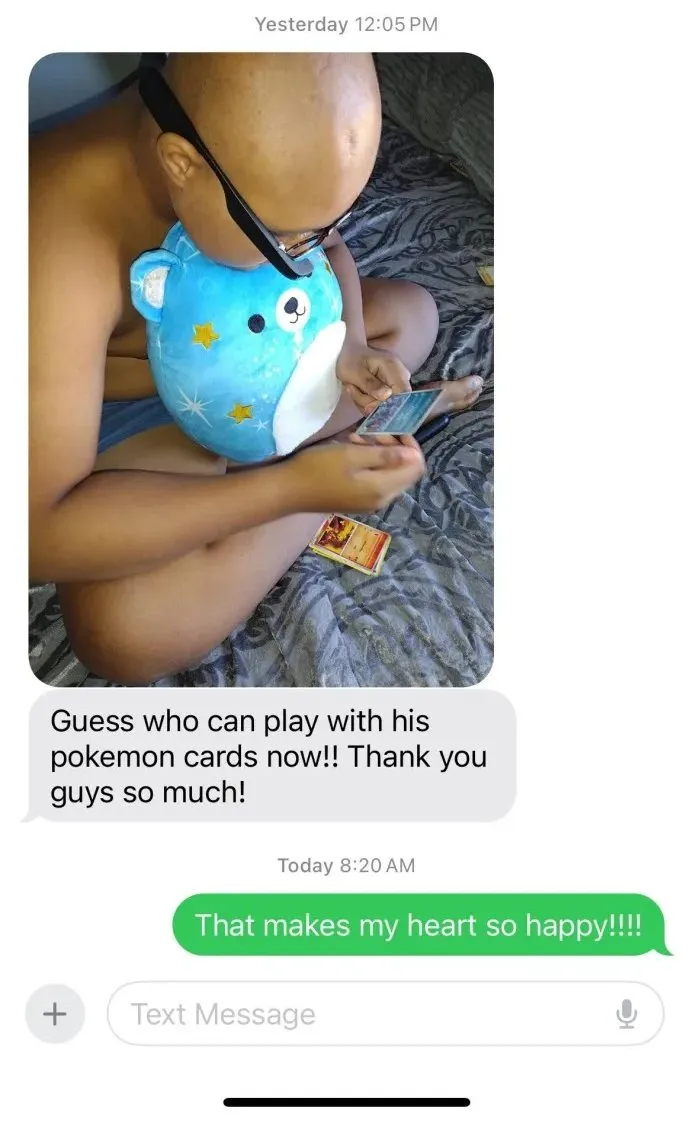
I read that on a street in Berlin and cried in front of a lot of strangers. What that day did to me is a longer story, and I wrote it down in This is going to hurt.