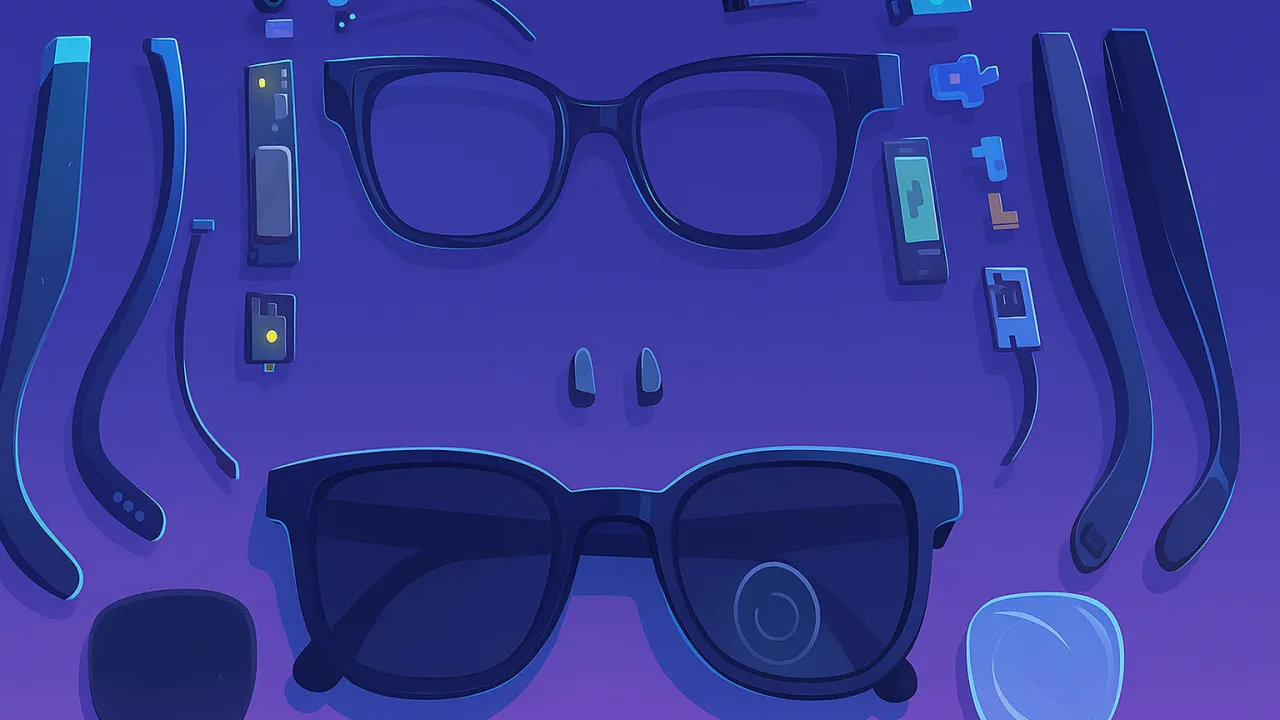
Last week, I stepped into the heart of the spatial computing universe — the Augmented World Expo (AWE). Imagine a giant science fair where every booth is trying to convince you that yes, the future really is wearable, voice-activated, and AI-powered. And you know what? I think they might be right.
Here’s a quick download from my two whirlwind days at AWE:
👓 The Glasses Are Back — and Smarter Than Ever
There’s a real resurgence in smart glasses, and it’s being driven not by novelty, but by AI. Everyone from Qualcomm to tiny startups is racing to build the next great wearable interface — a kind of ambient, always-there assistant that lives on your face.
Some are riffing off the Ray-Ban Meta playbook (camera, mic, no screen), while others are taking bold new directions: full-fledged AR overlays, voice-based AI UX, or accessibility-first designs. The sheer diversity was thrilling.
🤝 Hardware Speed-Dating, AWE-Style
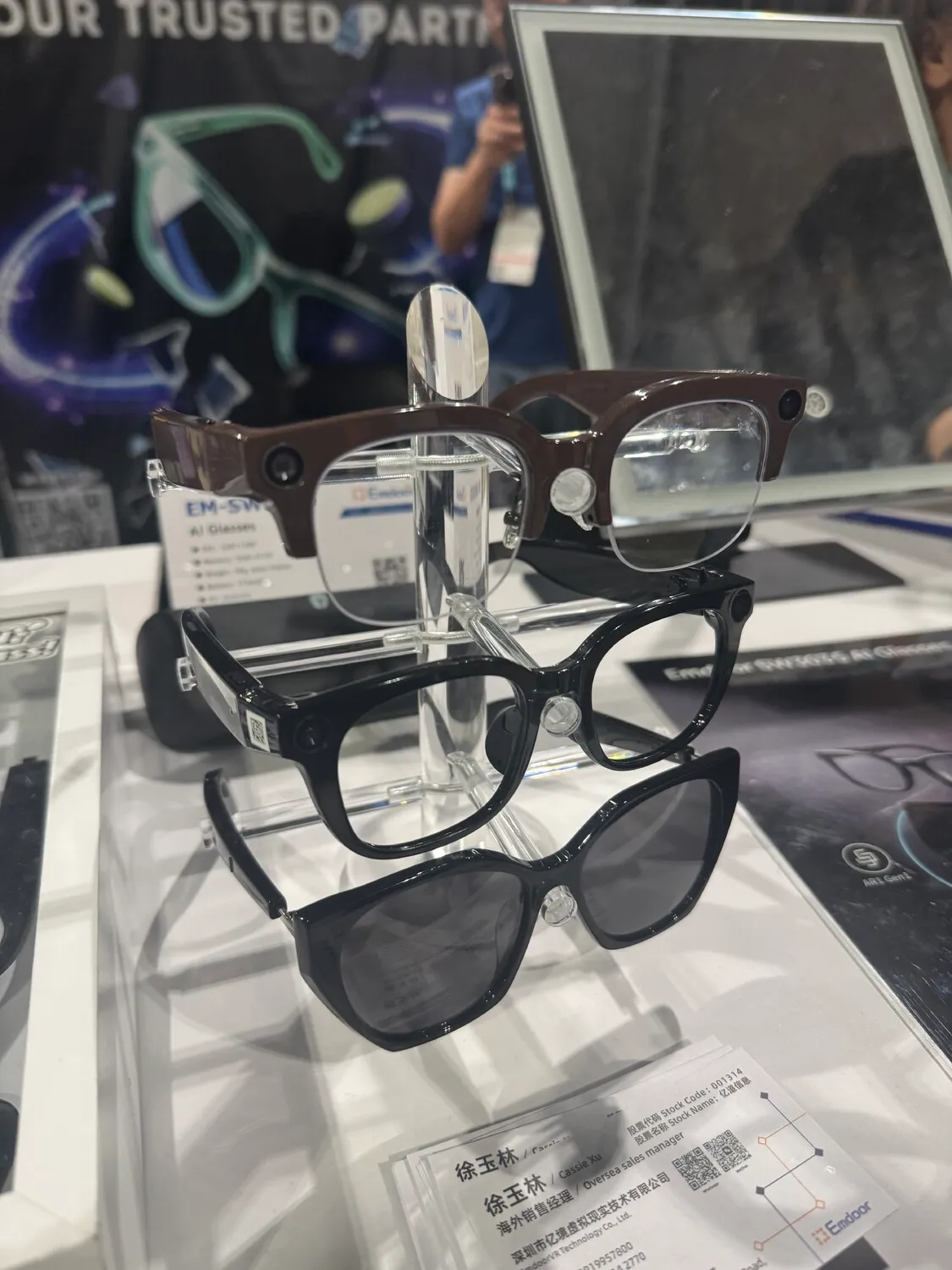
I met with over a dozen hardware teams — from Jorjin (Taiwan) and Skyworth (Shenzhen) to Mentra, Emdoor, TCL RayNeo, and more. Here are a few highlights:
- Mentra’s Beta glasses were one of the most polished and usable devices I tried on. We’re getting a unit soon and will be exploring how to bring it to the Envision community.
- Skyworth’s A6 smart glasses pack an impressive punch in a featherlight design. Think pro-level audio capture, a solid camera, and all-day wearability.
- TCL RayNeo is cooking up an AI-first wearable — Ray-Ban Meta vibes without the screen — and gearing up for global expansion.
- Jorjin is launching at CES and open to custom integrations.
- I even had good chats with Emdoor, LLVision (via XRAI), and a startup out of India called Oculosense building low-cost glasses for blind users.
We’re following up with nearly all of them to evaluate fit for our mission at Envision: making information accessible to everyone, everywhere.
🏢 The Big Boys Are Playing
One of the clearest signals at AWE was that smart glasses are no longer just a startup playground. The big players are here, and they’re making serious moves.
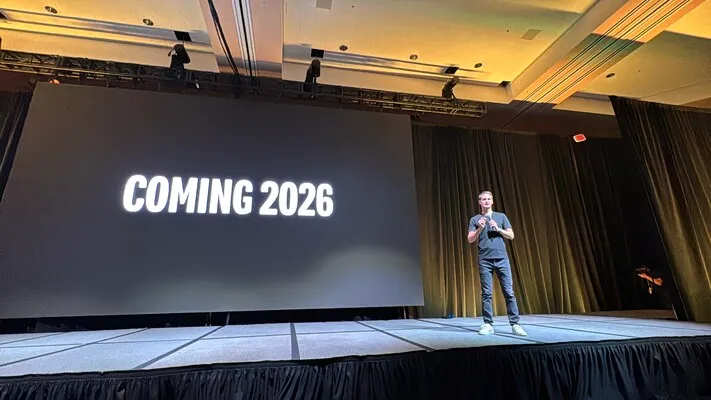
- Evan Spiegel took the stage to reaffirm Snap’s long-term vision, announcing that their first true consumer AR glasses, called Specs, will launch in 2026.
- Google made a rare but strong showing, outlining their Android XR roadmap, signaling deeper integration of wearables into the Android ecosystem.
- Behind closed doors, everyone was buzzing about Apple’s inevitable entry into smart glasses, with Vision Pro seen as only the first step in a broader wearable strategy.
And behind all of this? Qualcomm.
They’re emerging as the quiet winner of this wave. Their new Snapdragon chips purpose-built for smart glasses are powering nearly every major device on display — Meta Ray-Bans, Snap’s prototypes, Google partners, and a dozen startups alike. Qualcomm isn’t just supplying chips. They’re setting the pace for what’s possible.
This convergence of top-tier tech companies around the same hardware category sends a strong message: smart glasses aren’t an experiment anymore. They’re the next interface.
🌍 Accessibility Is On the Map
What made me smile most? The growing recognition that accessibility isn’t a niche — it’s a frontier. Multiple teams, including Mentra and XRAI, cited deaf or blind users as early adopters of their tech. That’s a shift. For years, accessibility was an afterthought. Now, it’s a differentiator.
💡 AWE Takeaway?
The spatial computing wave is real. AI is the engine. And smart glasses are quietly becoming the next personal computing platform. Being at AWE was a powerful reminder that the future isn’t just coming — it’s already being prototyped in a thousand booths across Long Beach.
We at Envision are thrilled to be part of it.
If you’re building smart glasses, accessibility tools, or just want to jam about the future of AI wearables — my DMs are always open.
See you in Shenzhen. Or the future. Whichever comes first. 😎